Beach Photography Ideas for Stunning Shots
Beach photography is one of the most interesting genres of photography because it is able to capture the natural beauty and light.

By understanding basic techniques like lighting, composition, and image processing, anyone can create beautiful and memorable beach photos. Beach photography isn’t just about taking pictures it’s also about capturing the moments and stories behind every wave and sunbeam. The following Photography beach photography ideas for stunning shots will explain about.
Golden Hour At The Beach
The golden hour, shortly after sunrise or before sunset, is one of the most magical times for beach photography. During this period, the sunlight is soft, warm, and diffused, creating natural tones that enhance skin, water, and sand textures. Photographers often prefer this time because it reduces harsh shadows and highlights, resulting in a more balanced exposure.
In addition to lighting quality, golden hour also adds mood and atmosphere to beach scenes. The sun’s low position creates long shadows that add depth and dimension to your images. Reflections on wet sand and gentle waves become more pronounced, giving your photos a dreamy and cinematic feel that is difficult to achieve at other times of the day.
To maximize golden hour photography, planning is essential. Arrive early to scout locations and set up your composition before the light changes quickly. Use this time to experiment with angles, silhouettes, and movement, as the changing sky provides a dynamic background that evolves minute by minute.
Creative Composition Techniques
Composition plays a vital role in transforming ordinary beach photos into stunning visual stories. One effective technique is the rule of thirds, where the horizon line is placed either above or below the center of the frame. This creates balance while drawing attention to either the sky or the foreground, depending on your subject.
Leading lines are another powerful composition tool in beach photography. Shorelines, footprints, and waves naturally guide the viewer’s eye toward the subject or focal point. By positioning yourself strategically, you can use these natural lines to create depth and a sense of movement within your image.
Framing is also essential for creative storytelling at the beach. Elements such as palm trees, rocks, or even beach umbrellas can be used to frame your subject. This technique helps isolate the main focus while adding context and layers to the overall composition, making the image more engaging.
Also Read: Mastering Natural Light in Beach Photography
Using Natural Elements For Depth
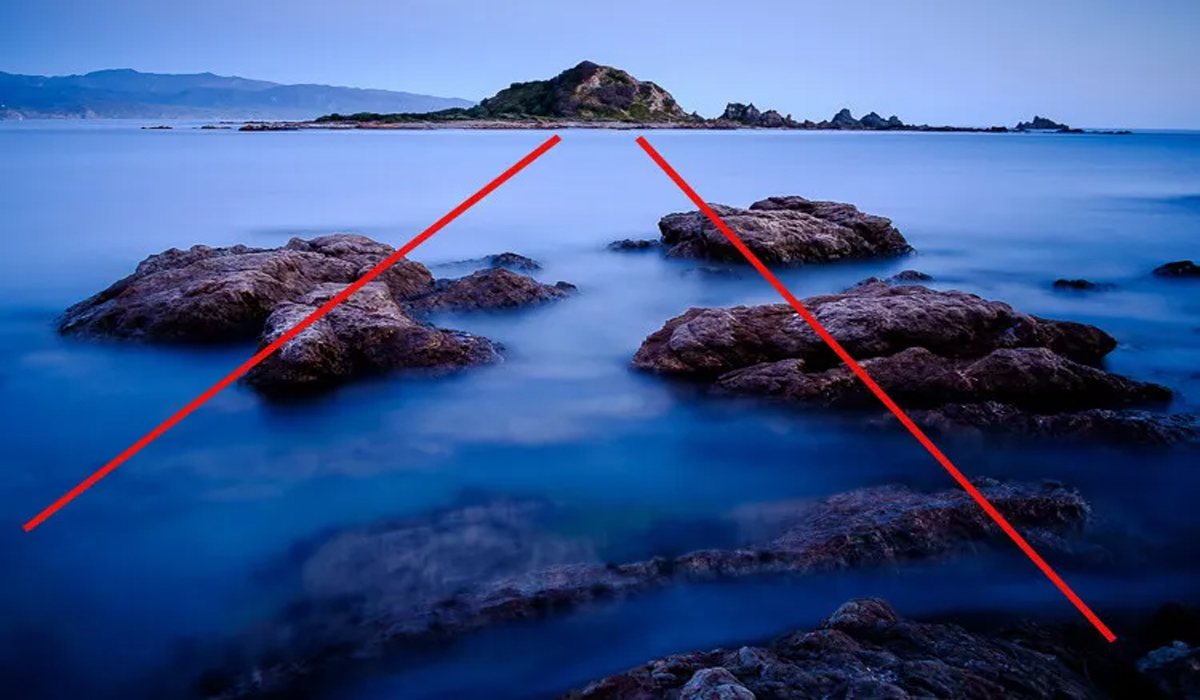
Natural elements such as water, sand, and sky are key components that add depth to beach photography. Waves crashing against the shore can create dynamic foreground interest, while calm waters reflect the sky and surrounding scenery. These elements help build a sense of scale and atmosphere in your images.
Sand patterns, footprints, and textures also contribute significantly to visual depth. By shooting from a lower angle, you can emphasize these details in the foreground while keeping the subject in focus. This layering technique enhances the three-dimensional feel of the photograph and draws viewers into the scene.
Weather conditions further enhance the creative potential of beach photography. Clouds, wind, and mist can dramatically change the mood of your shot. Instead of avoiding imperfect conditions, embrace them, as they often result in more dramatic and emotionally compelling images.
Editing And Post Processing Tips
Post-processing is an essential step in bringing out the full potential of your beach photographs. Adjusting exposure, contrast, and white balance can help restore the natural tones of the scene while enhancing the overall clarity. Subtle edits often work best to maintain a realistic and appealing look.
Color grading is particularly important in beach photography because it helps define the mood of the image. Warmer tones can enhance sunset scenes, while cooler tones can emphasize calm ocean environments. Careful adjustment of saturation and vibrance ensures that colors remain natural yet visually striking.
Sharpening and noise reduction are also key final steps in editing. Since beach environments often involve bright light and fine details, enhancing sharpness can make textures like sand and water stand out. At the same time, reducing noise ensures a clean and professional finish without distracting grain.
Conclusion
Beach photography is a creative blend of timing, composition, natural elements, and thoughtful editing that allows photographers to capture breathtaking coastal moments with depth and emotion.
Image Information Source:
- First Image: blissbythesea.org
- Second Image: digital-photography-school.com
