Beach Photography Strategies for Beginners to Professionals
Discover beach photography strategies for beginners to professionals to ensure your beach photos are always captivating and at their best.
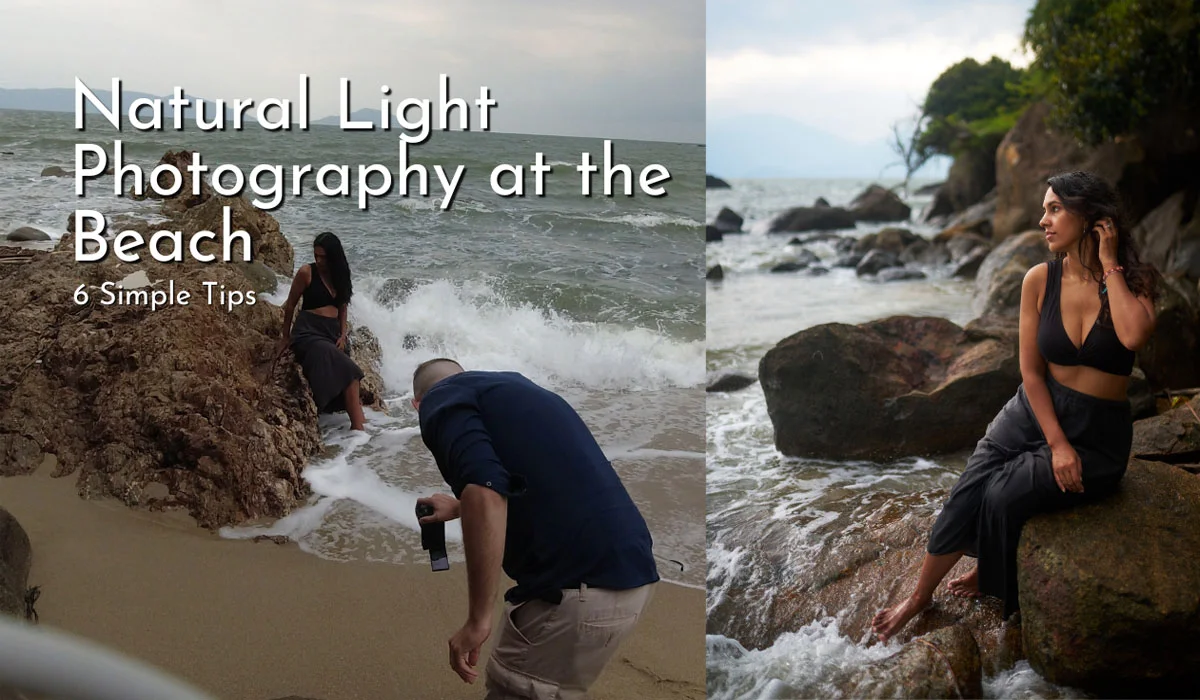
Beach photography has always been a favorite among photographers, both beginners and professionals. The beauty of the sea, sand, and sky offers endless opportunities to create dramatic and captivating photos.
The following Photography – Capturing Every Detail will discuss beach photography strategies that can be applied by anyone, from beginners just learning to professional photographers looking to perfect their techniques.
Understanding the Best Light and Time
Light is one of the most important factors in beach photography. Beaches are known for their intense, changing light throughout the day, so understanding the timing and quality of light is crucial for producing the best photos.
The best time to photograph is usually the golden hour, which is when the sun is just rising or just before sunset. During these hours, the sunlight is softer and warmer, creating long shadows and dramatic color gradations in the sky. For beginners, the golden hour is an ideal time to learn to photograph beach landscapes because the risk of overexposure is lower than during the day.
On the other hand, photographing during the day requires a different strategy. Harsh light can create high contrast between light and shadow areas. To overcome this, use the HDR mode on your camera or smartphone to balance the exposure.
Using a reflector or diffuser can also help bounce light or soften shadows on human subjects. By understanding light, every photographer can adjust camera settings for more dramatic and realistic photos.
Effective Composition Techniques
Composition is key to preventing beach photos from looking flat or monotonous. There are several simple yet effective techniques you can apply:
- Rule of Thirds: Place the horizon in the top or bottom third of the frame, rather than placing it directly in the center. This creates a balanced and more aesthetically pleasing photo. For example, if the sky is dramatic with stunning clouds, the horizon can be placed at the bottom to highlight the sky.
- Leading Lines: Natural beach lines such as wave trails, sandbanks, or coral reefs can be used to guide the viewer’s eye to the main subject. This technique adds depth and makes the photo feel more alive.
- Engaging Foreground: Add elements in the foreground such as rocks, beach plants, or a person walking on the beach. The foreground helps create perspective and added dimension, making the photo more interesting.
For professional photographers, composition techniques can be expanded by playing with symmetry, natural framing, or reflections in bodies of water. Meanwhile, beginners can start by utilizing simple horizons and foregrounds to produce dramatic beach photos.
Equipment That Supports Maximum Results
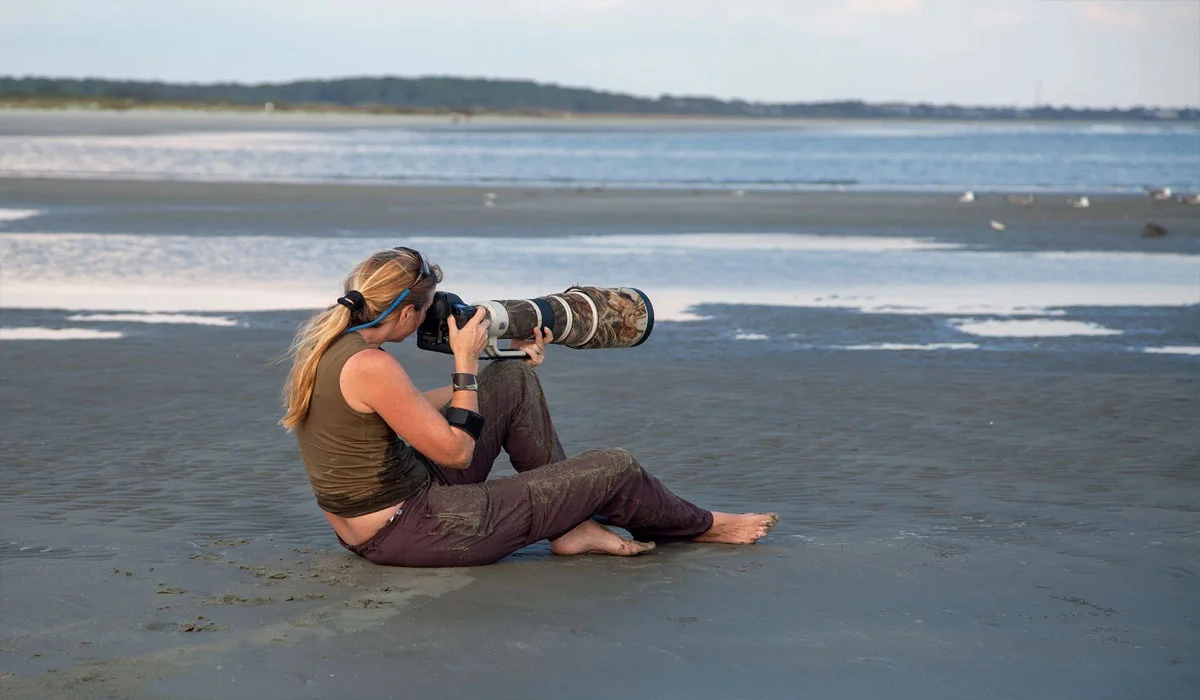
Besides technique and composition, using the right equipment will greatly impact the results of your beach photography. Even beginners can achieve professional results if they know how to use their equipment properly.
- Circular Polarizer (CPL) Filter: This filter helps reduce water reflections and makes the sky more vivid. CPLs are especially useful when photographing the ocean, blue skies, or objects on reflective surfaces.
- Neutral Density (ND) Filter: Suitable for photographers who want to create a long exposure effect on waves or mini waterfalls on the beach. ND filters allow for the use of slow shutter speeds even in bright light.
- Tripod: Essential for long exposures or compositions that require high stability. Choose a lightweight tripod that is resistant to sand and seawater.
- Lens: Wide-angle lenses are helpful for capturing expansive landscapes, while telephoto lenses are useful for photographing distant details, such as boats at sea or surfers.
- Lens Protectors and Cleaning Kit: Sand and seawater can damage lenses, so always have a microfiber cloth and blower handy to remove dust and sand particles.
With a combination of techniques, composition, and equipment, both beginners and professionals can produce captivating and captivating beach photos.
Capture Moments and Activities at the Beach
The beach isn’t just about the landscape; human and natural activities also provide interesting photo opportunities. Capturing these moments will make your photos more lively and tell a story.
- Capture Spontaneous Activities: Children playing in the sand, surfers riding the waves, fishermen pulling their boats, or couples walking along the shore are natural and emotional subjects. Candid photos are often more visually powerful than stiff poses.
- The Right Shutter Speed: Use a fast shutter speed to freeze the movement of waves or human activity. Use a slow shutter speed to create a soft effect on moving water or clouds, especially with long exposures.
- Silhouettes and Reflections: When the sun is low, silhouettes become a popular technique. Place your subject in front of the sunlight and lower the exposure to create dramatic shadows. Reflections in puddles or calm waves can also add to the aesthetic of your photo.
Combining landscapes, activities, and spontaneous moments will produce visually rich and story-telling beach photos. Beginners can start by photographing simple activities, while professionals can experiment with long exposure effects, silhouettes, and complex reflections.
Conclusion
Beach photography offers incredible creative opportunities, but it also requires the right strategy to achieve maximum results. From understanding light, applying composition techniques, using supporting equipment, to capturing the moment and surrounding activities, every aspect plays a crucial role.
Whether a beginner or a professional, a systematic strategy will make each shot more dramatic, aesthetic, and memorable. With practice, experimentation, and creativity, every photographer can produce captivating and professional beach photos.
The beach is more than just a landscape; it’s a canvas for every photographer to tell a story through their lens. Thank you for reading this article, I hope it is useful and don’t forget to come back again by clicking this link Photography – Capturing Every Detail .
