Bold and Texture-Rich Visuals Redefine Modern Fashion Photography
Fashion photography is entering a visually intense era where subtlety takes a back seat and expressive power moves to the forefront.
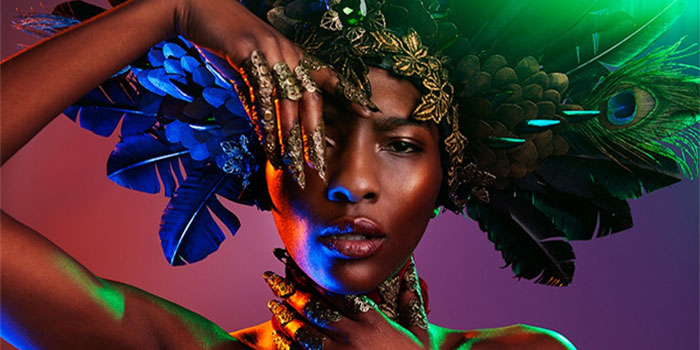
Bold colors, rich textures, and dramatic lighting are becoming defining elements of contemporary fashion imagery. This shift reflects a broader desire for visuals that feel immersive, emotional, and unforgettable rather than merely polished or minimalist.
In a world saturated with images, fashion photography must now compete for attention within seconds. As a result, photographers and creative directors are embracing visual depth and sensory richness to create images that resonate instantly and linger in the viewer’s memory. Below Photography – Capturing Every Detail will explain further.
The Rise of Visual Intensity in Fashion Imagery
The demand for bold visuals is closely tied to how fashion content is consumed today. Social media platforms, digital campaigns, and online magazines reward imagery that stops the scroll. High contrast colors, striking compositions, and layered textures perform better in fast-paced digital environments than muted or overly clean aesthetics.
Fashion brands are responding by encouraging photographers to experiment with saturation, shadows, and unconventional styling. The goal is not perfection, but impact. Images are designed to feel alive, expressive, and emotionally charged, reflecting the evolving tastes of a visually literate audience.
Texture as a Storytelling Tool
Texture has become one of the most powerful storytelling elements in modern fashion photography. Fabrics such as leather, denim, silk, wool, and metallic materials are no longer just wardrobe choices but narrative devices. Close-up shots highlight fabric grain, stitching, wrinkles, and movement, allowing viewers to almost feel the material through the image.
By emphasizing texture, photographers add realism and depth. This approach humanizes fashion, making garments feel wearable and lived-in rather than distant luxury objects. Texture also creates contrast, especially when paired with bold colors or dramatic lighting, resulting in visually layered compositions that feel rich and intentional.
Also Read: Sun, Sand, and Stories: The Art of Beach Photography
Bold Color Palettes Take Center Stage
Color is no longer used cautiously. Instead, photographers are leaning into saturated hues, unexpected color clashes, and monochromatic intensity. Deep reds, electric blues, vibrant greens, and neon accents are increasingly common in editorials and campaigns.
Bold color choices evoke emotion and identity. They communicate confidence, rebellion, nostalgia, or futurism depending on how they are applied. In fashion photography, color becomes part of the message, reinforcing brand personality and setting a distinct visual tone that separates one campaign from another.
Lighting That Creates Drama and Depth
Lighting plays a critical role in enhancing both texture and color. Hard lighting, directional shadows, and sculpted highlights are being used to add drama and dimensionality. Rather than evenly lit scenes, photographers embrace contrast to reveal form and surface detail.
This lighting approach creates a cinematic feel, turning fashion images into visual narratives rather than static poses. Shadows add mystery, highlights emphasize structure, and controlled darkness allows colors and textures to stand out more powerfully.
Models as Part of the Visual Narrative
In this new wave of fashion photography, models are not merely displaying clothing. They are active participants in the visual story. Expressive poses, raw emotion, and unconventional styling help reinforce the bold aesthetic.
Photographers are encouraging movement, tension, and personality. This results in images that feel less posed and more performative. The model’s presence complements the textures and colors, creating a cohesive image where fashion, body language, and environment interact naturally.
Influence of Digital Culture and Art
Digital culture has played a major role in shaping this trend. Visual inspiration now comes not only from classic fashion editorials but also from digital art, experimental design, music visuals, and street culture. This cross-pollination has encouraged photographers to push boundaries and blend artistic influences.
Texture-rich visuals mirror the layered nature of digital media itself. Screens, filters, overlays, and mixed media aesthetics all contribute to a visual language that feels contemporary and culturally relevant.
Why This Trend Matters for the Industry?
Bold and texture-rich fashion photography represents more than a stylistic preference. It signals a shift in how fashion communicates with its audience. Consumers want images that feel honest, expressive, and emotionally engaging.
This approach also offers photographers greater creative freedom. By focusing on mood, material, and visual impact, fashion photography becomes a space for experimentation rather than repetition. Brands that embrace this trend often stand out as visually confident and culturally aware.
The Future of Fashion Photography
As the fashion industry continues to evolve, visual storytelling will remain central to its success. Bold colors and rich textures are likely to persist, adapting to new technologies and platforms while maintaining their emotional appeal.
Fashion photography is no longer about perfection alone. It is about presence, sensation, and storytelling. Through texture-driven visuals and fearless use of color, photographers are redefining how fashion is seen, felt, and remembered in the modern world.
