Capturing the Charm of the Beach Stunning Photography Tips
The beach has always been a captivating photographic object, for both amateur and professional photographers.
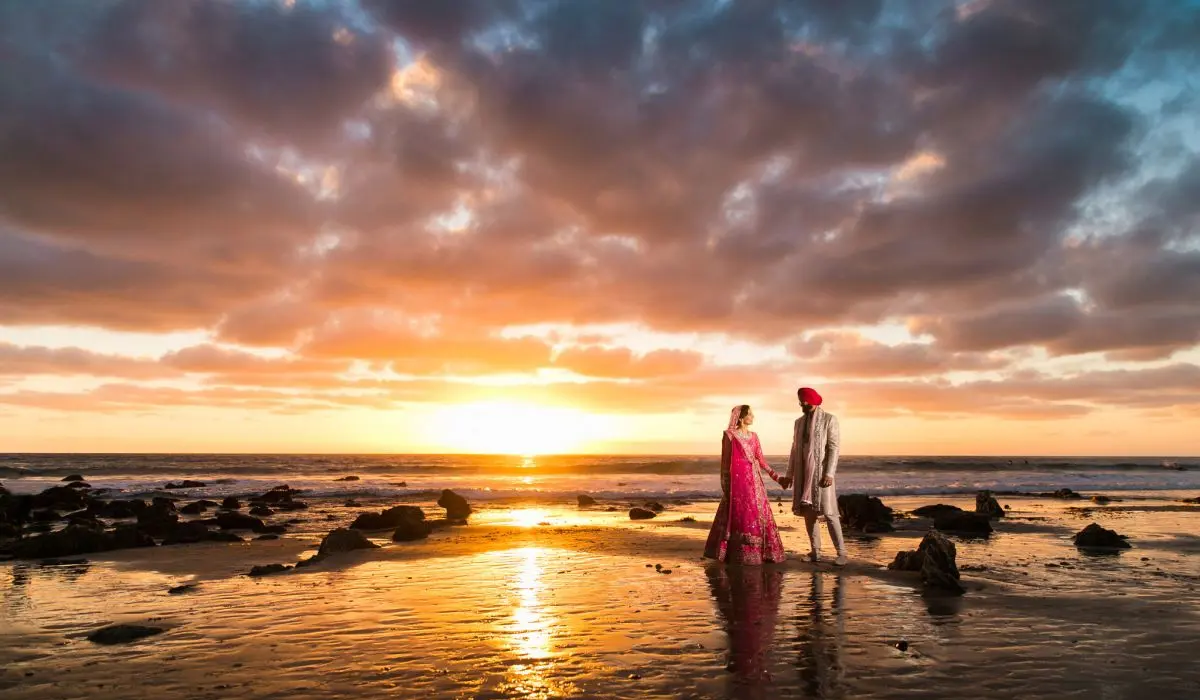
The combination of sunlight, the texture of the sand, the waves, and the expansive sky offers the opportunity to create stunning photos. Check out the complete facts about Amazing Photography Tips, only at Photography – Capturing Every Detail.
Utilizing Natural Light
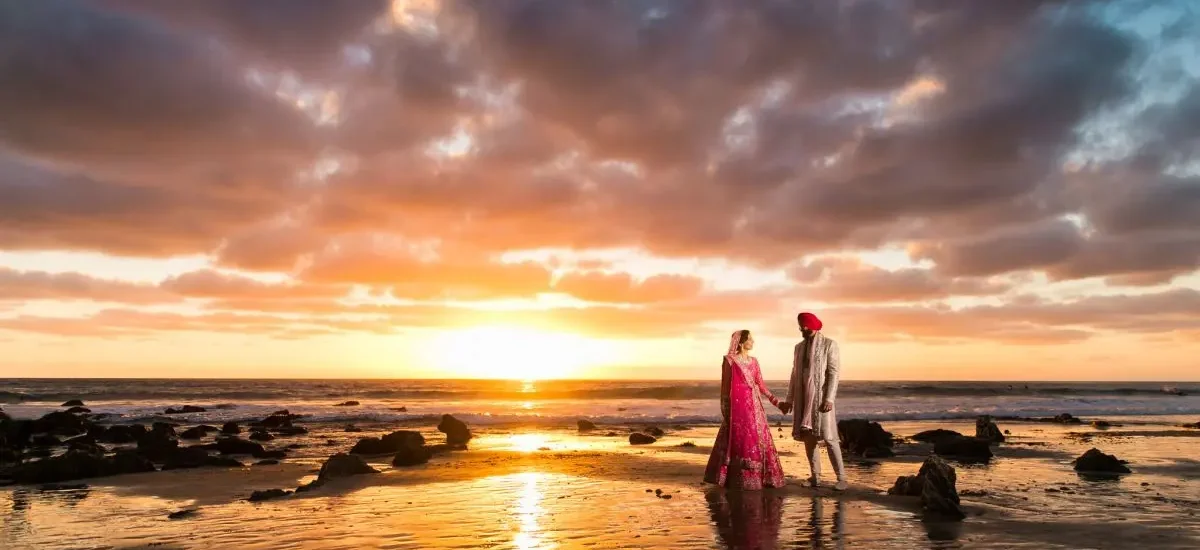
Light is one of the most important aspects of beach photography. The bright sun during the day produces sharp shadows, but they are often too contrasty for a balanced photo. The most ideal time to photograph is during the golden hour, which is about an hour after sunrise or an hour before sunset. At this time, the sunlight is softer and gives the beach landscape dramatic warm colors.
Furthermore, the light during the golden hour can add dimension to a photo. The reflection of light on the water’s surface creates a dazzling shimmering effect, while the long shadows cast by rocks or coconut trees provide depth. For optimal results, consider using a portable reflector or diffuser to regulate the light intensity and avoid overly dark or overly bright areas.
Composition and Perspective
Composition is key to any professional-looking beach photo. Basic principles like the rule of thirds remain relevant, but experimenting with perspective can produce more creative results. For example, shooting from a low vantage point near the sand can emphasize the textures and patterns created by the waves. Meanwhile, a high perspective from a hill or cliff surrounding the beach provides a panoramic view and demonstrates the relationship between sea, sky, and land.
Additional objects, such as rocks, boats, or coconut trees, can serve as focal points in a photo. Placing these objects strategically in the composition helps direct the viewer’s eye and create a stronger visual narrative. Furthermore, the horizon line should be considered; ensure it’s not tilted to maintain a professional impression.
Read Also: When Shadows Speak, The Silent Power Of Black and White Photography
Water Photography Techniques

Beaches and water always attract attention because of their dynamic movement. Capturing waves or currents requires special techniques. One popular method is long exposure, which allows the water to appear soft and misty. Using a tripod is essential for this technique to keep the camera steady during the long shutter time. Additionally, a Neutral Density (ND) filter can be used to reduce light intensity, allowing for long exposures without overexposing the photo Beach photography tips.
Conversely, to capture the details of splashing waves, a fast shutter speed is necessary. A fast shutter speed freezes the water’s movement and creates a dramatic effect. This technique is perfect for highlighting the beauty of waves splashing on rocks or rocky shores. Experimenting with these two techniques adds variety to your photo collection and adds visual richness Beach photography tips.
Color and Reflections
The beach offers a wide color palette, from the blue of the sea and the turquoise green of the sea to the golden sand and the orange of the sunset. Choosing the right colors in your composition can enhance the appeal of your photo. Pay attention to the natural contrast between the sea and the sky, or between the sand and the surrounding vegetation. Using a polarizing filter can help reduce excessive reflections in the water and increase color saturation, making your photo look more vibrant.
Reflections are also an interesting element. Puddles of water on the sand after the tide recedes or the calm surface of the sea can reflect the sky and clouds, creating a captivating symmetrical effect. Capturing these reflections adds an artistic dimension and creates a dramatic feel without the need for excessive digital processing Beach photography tips.
Utilizing the Natural Environment
The beach isn’t just about sand and sea. Natural surroundings, such as cliffs, mangrove forests, birds, or fishing boats, can be additional elements that enrich your photo. Incorporating these elements wisely provides context and a story behind the image. For example, photographing a fishing boat at dawn with a light mist on the water’s surface creates a natural, local atmosphere.
Furthermore, weather conditions also play a significant role. Rolling clouds or an overcast sky can add a dramatic atmosphere to a photo. Don’t hesitate to take advantage of natural phenomena such as large waves, fog, or the sun breaking through the clouds. All of these elements can be used to convey a specific mood and add visual richness to your photography. Thank you for taking the time to find out interesting information about Amazing Photography Tips at Photography – Capturing Every Detail, we will provide lots of other information.
Image Information Source:
First Image: slrlounge.com
Second Image: contrastly.com
