Embracing Diversity and Inclusivity in Children Photography
Photography has always been a powerful medium for storytelling, capable of capturing emotions, milestones, and memories.
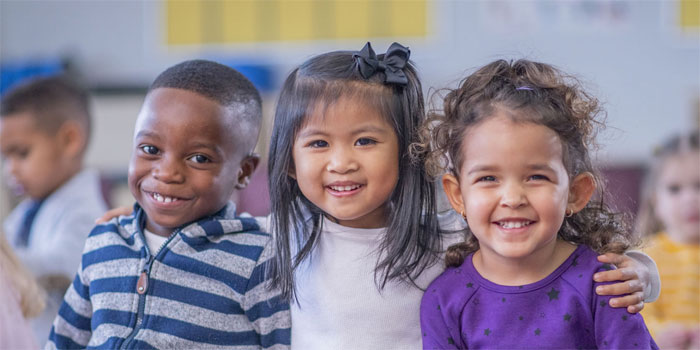
In recent years, a significant shift has emerged within children photography, as photographers and brands increasingly embrace diversity and inclusivity. This movement is not merely a passing trend but a reflection of societal change, acknowledging that childhood experiences exist in many forms, and every family deserves to see themselves represented in imagery.
The importance of inclusivity in photography goes beyond aesthetics. It shapes perception, encourages acceptance, and instills a sense of belonging in both children and parents. By highlighting diverse skin tones, family structures, abilities, and cultural backgrounds, photographers are redefining the standards of beauty and celebration in children’s portraiture. Below, Photography – Capturing Every Detail will discuss it in more detail, see the details below.
The Shift Toward Inclusive Storytelling
Inclusivity in children photography is more than simply featuring a variety of children in photos. It involves intentional storytelling, where each session reflects authentic experiences and identities. Photographers are moving away from generic, one-size-fits-all setups and instead focusing on the unique character and personality of each child.
The shift also reflects a cultural understanding that representation matters. Children who see themselves portrayed in media, art, and personal photography develop confidence and self-worth. Families, too, feel validated when their lifestyles, appearances, and traditions are acknowledged. By integrating diversity thoughtfully, photographers contribute to a broader movement of social awareness, bridging gaps in visibility and acceptance.
Representation Across Skin Tones and Cultural Backgrounds
One of the most impactful aspects of inclusive children photography is showcasing different skin tones and ethnicities. Photographers are becoming more aware of how lighting, makeup, and wardrobe choices can enhance the natural beauty of children without compromising authenticity. Campaigns and personal sessions now celebrate this spectrum of humanity rather than standardizing beauty to a narrow definition.
Cultural traditions, attire, and rituals are also increasingly incorporated into sessions. For instance, photographing a child in traditional clothing during family celebrations not only preserves memories but also educates and inspires viewers about cultural diversity. This approach allows children to feel pride in their heritage and teaches others to appreciate differences respectfully.
Also Read: Capturing Every Second at Seminyak Beach
Including Children With Different Abilities
Another important component of diversity in children photography is including children with physical or cognitive disabilities. Traditional photography often overlooked these children or presented them in ways that felt tokenistic. Today, photographers actively seek to portray children with diverse abilities engaging in everyday activities, celebrating their individuality rather than highlighting limitations.
This approach normalizes difference and promotes empathy. When children with disabilities see themselves represented authentically in photos, it reinforces that their presence, personality, and achievements are valued. It also encourages society to challenge stereotypes and embrace inclusivity at a cultural level.
Capturing Various Family Structures
Modern families come in many forms single parents, blended families, LGBTQ+ parents, and multigenerational households. Inclusive children photography recognizes these dynamics and strives to depict them accurately. Photographers are crafting sessions that reflect love, connection, and authenticity rather than adhering to traditional or stereotypical notions of family.
Representation in this context fosters acceptance and understanding. Children from diverse households learn that their family structures are valid, normal, and beautiful. Additionally, inclusive imagery sends a positive message to wider audiences, breaking down biases and expanding the visual language of childhood.
