Fashion Photography Techniques You Must Master
Learn essential fashion photography techniques to consistently and effectively produce engaging, professional photographs.
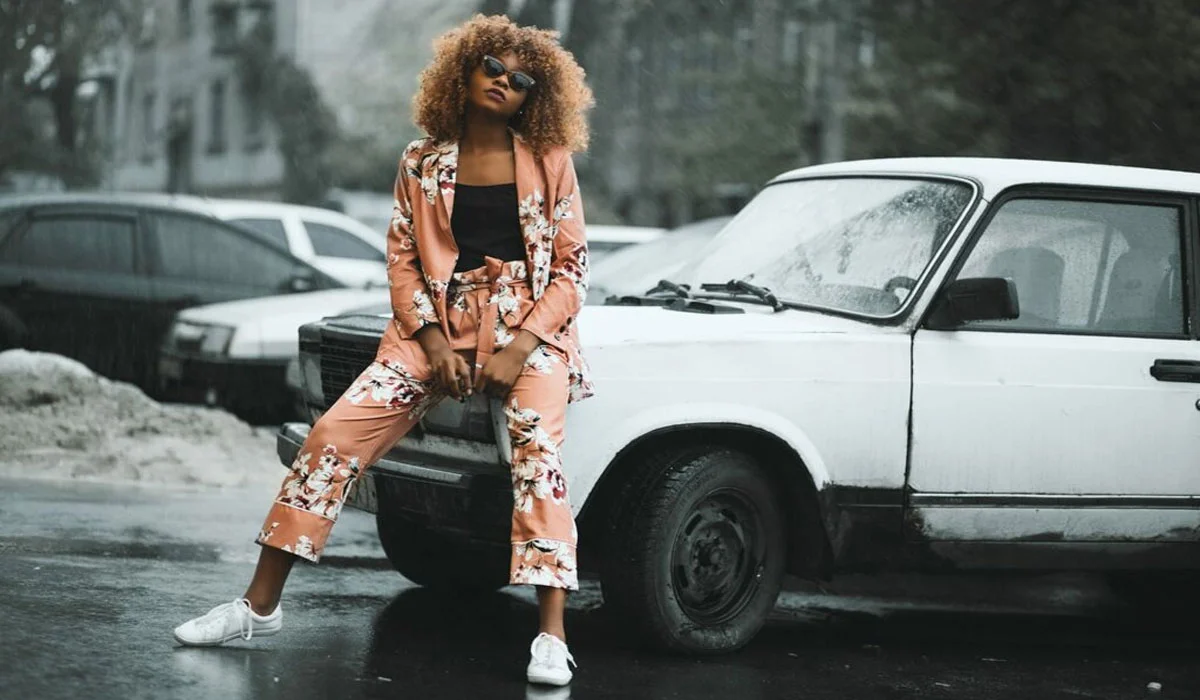
Fashion photography is a shooting technique that focuses on presenting the clothing, style, and character of the model in a professional and aesthetic way. Below, Photography – Capturing Every Detail will discuss various important techniques that must be mastered to produce maximum photographic work.
Mastering the Right Lighting
Lighting is a crucial element in creating strong and dramatic visuals in fashion photography. Photographers must understand the differences between natural and artificial light, including their direction, intensity, and the character of the shadows they produce. Side lighting can highlight the texture of the fabric, while front lighting helps to clearly reveal the details of the model’s face.
The use of reflectors or softboxes is often used to soften shadows for a more professional look. For example, when shooting outdoors in the afternoon, the golden hour creates warm colors that make clothing appear more vibrant. White balance is also crucial to maintain accurate and consistent color gamut. By understanding lighting techniques thoroughly, photos will appear more consistent, sharp, and have a higher aesthetic value for every shooting concept.
Model Pose and Expression Selection
The ability to direct a model’s pose is crucial for the success of fashion photography in conveying the character and concept of the clothing. The right pose can reveal the cut of the garment, design details, and body silhouette proportionally. The photographer needs to provide clear direction regarding hand position, shoulder angle, and gaze direction to achieve a natural look.
Facial expressions should also align with the theme, such as a firm expression for an editorial concept or a soft smile for a casual style. For example, a pose with light movements while walking can add a dynamic touch to a long dress. It’s important to avoid stiff poses that can make the results look lifeless.
Good communication between the photographer and model will help create a comfortable atmosphere, allowing expressions to appear more authentic and uncontrived, resulting in strong, characterful photos.
Also Read: Teaching Children to Face Failure
Balanced Composition and Framing
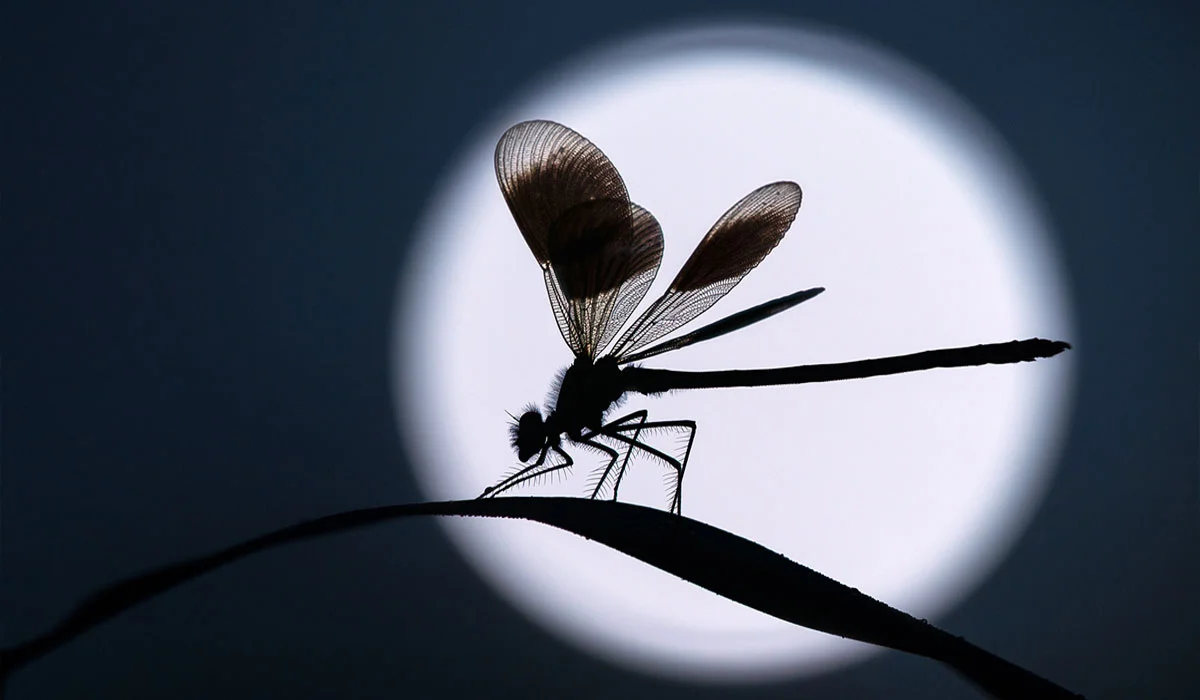
Composition determines how photographers arrange visual elements within a frame in fashion photography and effectively conveys the visual message. Photographers often apply the rule of thirds to create balance between the model and the background. In addition, they use leading lines to direct the viewer’s attention straight to the clothing on display.
The choice of angle is also crucial, such as a low angle to create an elegant and dominant impression. Natural framing of a door or window can enrich the visual dimension without distracting from the main focus. The background should support the concept, not distract from the clothing. By paying close attention to composition, photos will appear more professional, structured, and have stronger visual appeal, enhancing the overall quality of a portfolio.
Location Selection and Creative Concept
Location and concept are essential foundations in designing a fashion photography session to achieve a clear visual identity. The location chosen should align with the character of the clothing, for example, an urban area for street style or an open park for a summer collection. A creative concept helps build a strong story so that the photos convey not only the clothes but also the atmosphere and emotion.
Planning a mood board before the shoot is highly recommended so the entire team is on the same page. For example, a minimalist concept with neutral colors can highlight the details of the clothing pieces more clearly. A consistent theme will make the final product look professional and easily recognizable. The combination of the right location and a well-thought-out creative idea will produce more valuable visuals and effectively capture the audience’s attention.
Mastering Editing and Retouching
The post-production stage plays a crucial role in perfecting the final product of fashion photography without losing its visual authenticity. Editing includes adjusting color, contrast, and sharpness, as well as cropping to ensure a more proportional composition. Retouching is done subtly to correct small details such as creases or distracting stains. Using consistent color presets helps establish a strong visual identity for each project.
However, excessive editing should be avoided, as it can make the fabric texture appear unnatural. For example, a slight clarity enhancement can emphasize the details of a material without compromising the overall look. With the right editing techniques, photos will look more professional, clean, and ready to be used optimally for catalogs, social media, and marketing campaigns.
Image Source:
First Image from: www.thephotoargus.com
Second Image from: www.naturettl.com
