Mastering Nature Photography: Tips For Stunning Mountain Photos
Elevate your mountain photography skills with tips on framing, timing, and capturing the natural beauty of every landscape.
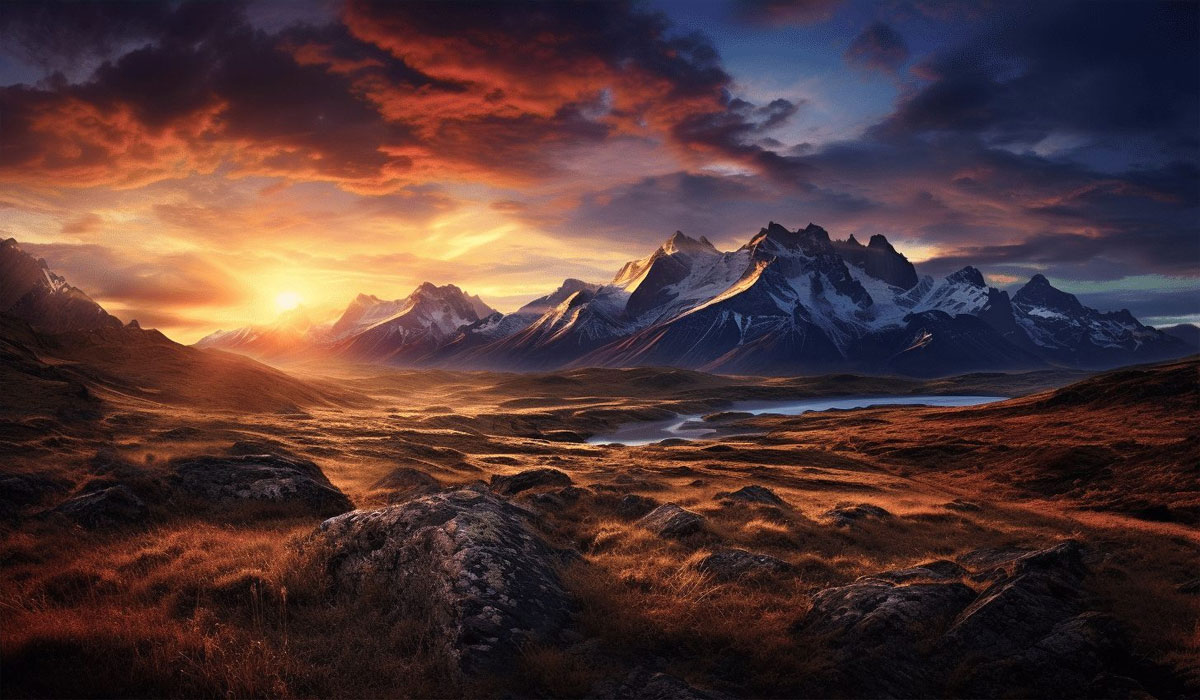
Photography in mountainous landscapes is an art that combines patience, creativity, and technical skill. Mountains are not only majestic but also ever-changing with light, weather, and season. Capturing their grandeur requires more than just pointing a camera it demands an understanding of nature and a careful approach to composition, timing, and perspective. Below, Photography – Capturing Every Detail will provide interesting information that you must know.
Understanding Mountain Landscapes
Before picking up a camera, it is essential to study the terrain and environment you plan to photograph. Mountains have a unique structure that creates natural lines, curves, and layers. Observing how sunlight interacts with ridges, cliffs, and valleys can give you clues about the best time and angle for shooting.
Early mornings and late afternoons often produce soft, warm light that enhances textures and colors, while midday sun may create harsh contrasts. By immersing yourself in the environment, you can anticipate dramatic moments, like clouds rolling over peaks or mist settling in valleys, which add depth and emotion to your photographs.
Choosing The Right Gear
The choice of camera and lenses greatly affects the quality of mountain photography. Wide-angle lenses are excellent for capturing sweeping vistas, while telephoto lenses allow you to isolate distant peaks and details.
A sturdy tripod is indispensable for long exposures, especially when photographing waterfalls, flowing streams, or the starry night sky above the mountains. Additionally, weather-resistant equipment and protective gear for yourself are vital. Mountain environments can change suddenly, and being prepared ensures that you can focus on creativity rather than survival.
Composing For Impact
Composition is the key to transforming a simple snapshot into a stunning photograph. Mountains naturally provide leading lines, layers, and focal points. Use the curves of a ridge or the silhouette of a lone tree to guide the viewer’s eye through the frame.
Foreground elements, such as rocks, flowers, or flowing water, can add depth and scale, making the vastness of mountains more relatable. Experimenting with different perspectives shooting from a low angle, climbing to a higher vantage point, or framing peaks against the sky can create striking images that stand out from typical mountain photography.
Read Also: Beach Photography Tips: How to Capture Stunning Seaside Shots
Harnessing Light And Weather
Light and weather define the mood of mountain photography. Soft diffused light on foggy mornings can evoke a mystical, serene feeling, while golden hour sunlight can highlight the rugged texture of cliffs and slopes.
Clouds, snow, or rain can dramatically transform a scene, offering opportunities for unique shots. Paying attention to weather forecasts and being patient enough to wait for ideal conditions often distinguishes an average photograph from an extraordinary one. Mountain photography rewards those who are willing to embrace unpredictability and adapt creatively to nature’s rhythms.
Telling A Story Through Your Photos
The most memorable mountain photographs are not just visually appealing they tell a story. Capturing human interaction with nature, wildlife, or the changing seasons can provide context and emotion. Consider including hikers, animals, or streams to create a narrative within your frame.
Reflecting the atmosphere and feeling of a place allows viewers to experience it vicariously. In this way, mountain photography becomes more than just a record of scenery; it becomes a medium for sharing awe, adventure, and respect for the natural world. Watch and keep following, don’t miss the most complete information regarding Photography – Capturing Every Detail.
