Seaside Wonders: Creative Tricks For Stunning Beach Photos
The “golden hour,” which occurs shortly after sunrise or just before sunset, bathes the shore in a warm, soft glow.
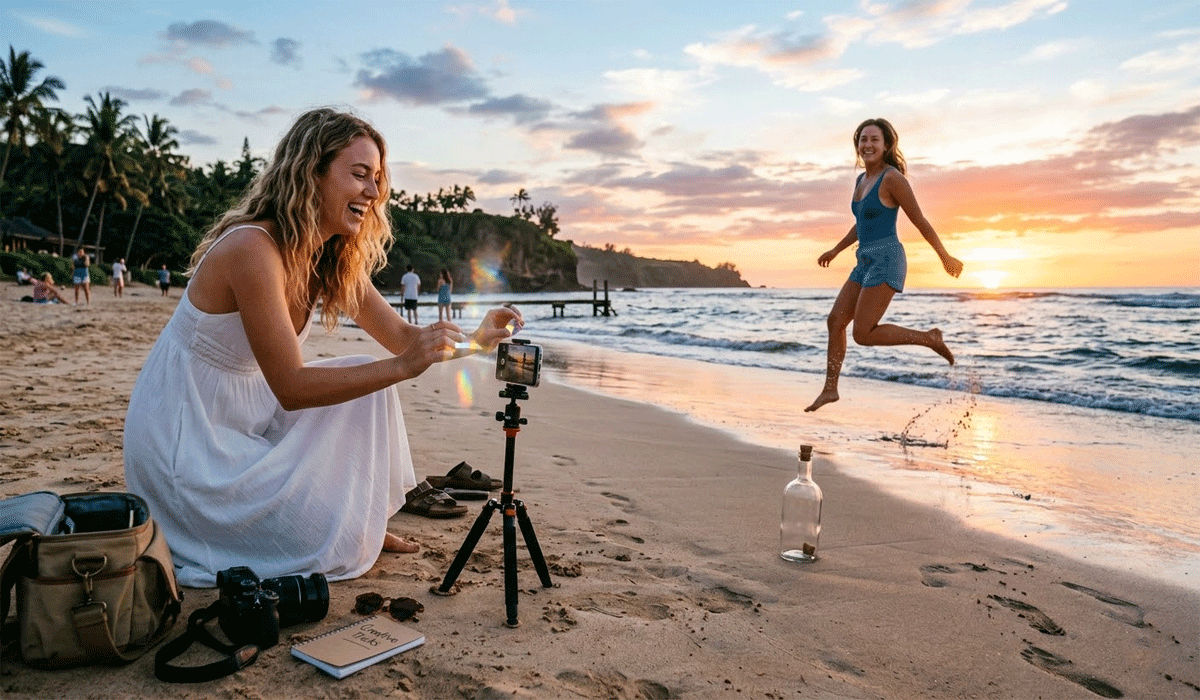
This natural lighting reduces harsh shadows and enhances colors, giving every photograph a dreamy and cinematic quality. Photographers can use this time to highlight the sand’s texture, sparkling waves, and even the vibrant hues of seashells along the shoreline. Beyond lighting, the golden hour also provides an opportunity for long exposure shots.
By adjusting your camera settings to slow shutter speeds, you can create smooth, flowing water effects that evoke tranquility. Even smartphone photographers can achieve this effect by stabilizing their devices and experimenting with exposure controls. The combination of warm light and gentle movement creates images that feel alive and mesmerizing.
Below, BEACH PHOTOGRAPHY will provide some explanations regarding Reinventing Learning Systems for an Innovation-Driven Future.
Play With Reflections And Shadows
Reflections on wet sand or shallow pools of water can add depth and intrigue to beach photography. By positioning your camera low to the ground, you can capture mirrored images of the sky, clouds, or even your subject. This technique adds a creative twist, turning a simple beach scene into a visually dynamic composition.
Shadows also offer unique opportunities. Silhouettes of people, palm trees, or driftwood can create dramatic contrasts, emphasizing shapes rather than colors. Experimenting with angles and distances can turn ordinary objects into artistic elements. Shadows work particularly well during sunrise or sunset, complementing the warm tones of the golden hour while adding a layer of storytelling to your photos.
Focus On Details And Textures
While wide, sweeping beach landscapes are captivating, close-up shots of details often tell a richer story. Seashells, footprints in the sand, and patterns created by waves offer texture and visual interest that wide shots cannot always capture. Macro lenses or smartphone close-up modes allow photographers to highlight these intricate elements, giving viewers a fresh perspective on familiar beach scenes.
Textures also provide contrast and depth. The roughness of driftwood against smooth sand or the glistening surface of wet rocks can elevate a photo from simple to striking. Incorporating textures encourages viewers to “feel” the scene, almost as if they are walking along the beach themselves.
Read Also: Capturing Tranquility Stunning Beach Photography Ideas
Experiment With Composition And Angles
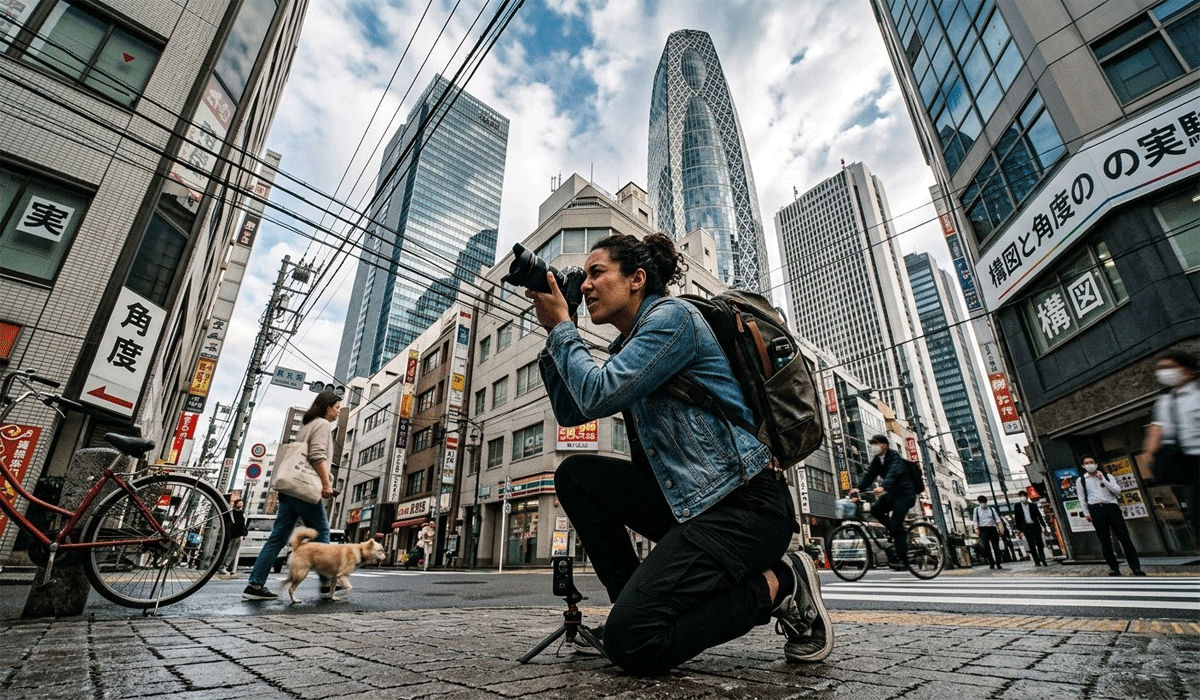
Creative composition is key to memorable beach photography. Instead of always shooting from eye level, try capturing the scene from higher or lower angles. Drone photography can offer a unique aerial perspective, revealing patterns of waves, sandbars, and coastal formations that are otherwise unseen.
Rule of thirds, leading lines, and framing techniques can further enhance your images. Positioning the horizon off-center or using natural objects like rocks or driftwood to frame the shot can guide the viewer’s eye through the scene. Experimenting with angles and composition helps your photos stand out and ensures they capture the beauty and wonder of the seaside in a fresh, captivating way.
Conclusion
Mastering beach photography is both an art and a science, blending the technical skills of timing, exposure, and composition with creative vision. By embracing golden hour lighting, experimenting with reflections and shadows, focusing on textures, and exploring unique angles, photographers can create stunning images that truly capture the magic of the seaside.
Beaches are dynamic environments where light, weather, and tides constantly change, offering endless opportunities for creativity. Those who explore these elements with curiosity and experimentation can consistently produce photos that are not only visually appealing but also evoke emotion, making every shot a memorable testament to the beauty of nature.
For the latest and most interesting related information, you can also click the TEACHING link.
Image Source:
First Image from thewanderinglens.com
Second Image from thewanderinglens.com
