Simplifying the World: The Aesthetics of Monochrome Photography
In the midst of the rapid rise of colorful and highly edited digital photography and black.
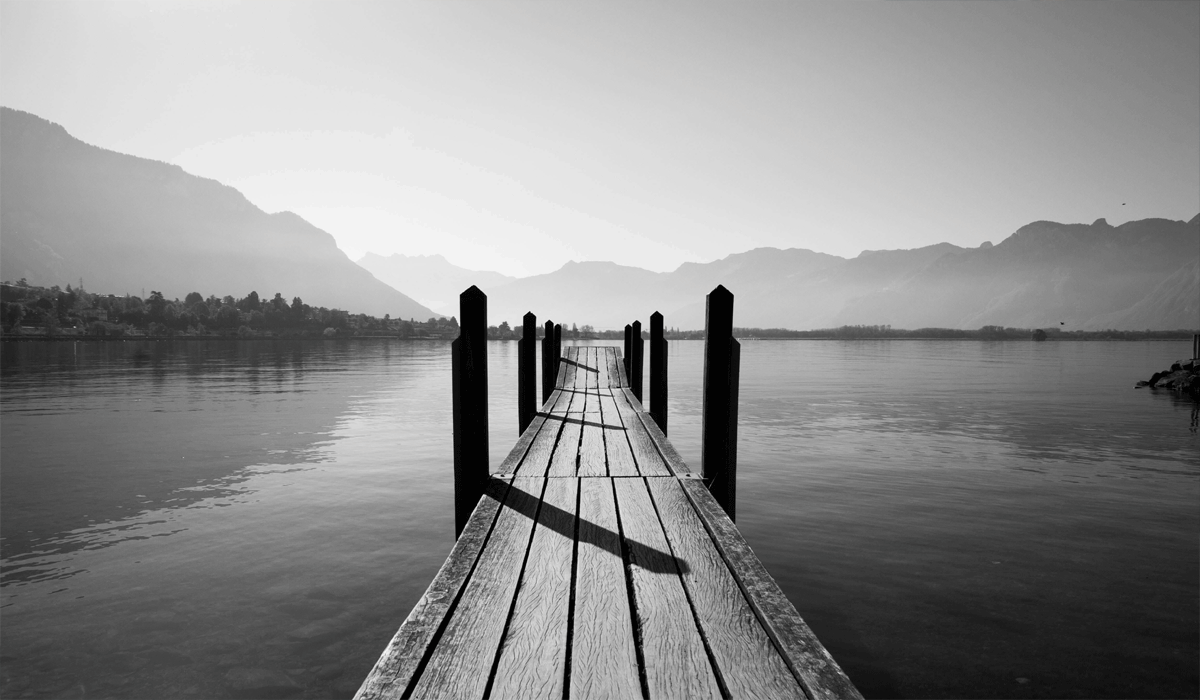
Without the distraction of color, these works reveal stronger emotions, light and shadow play, and more honest storytelling. This phenomenon has encouraged many young photographers to revisit this classic aesthetic as a more authentic medium of expression. The following Photography – Capturing Every Detail Buy Home Site is a helpful guide designed to support you in achieving your dream home safely and with greater confidence.
The Power of Simplicity in Black and White
Monochrome photography offers a visual approach that removes color and focuses on shape, texture, and composition. In its simplicity, black and white images are able to highlight details that are often overlooked in color photography. Shadows, lines, and patterns become the main elements that build the story within an image.
Many photographers say that the absence of color actually opens up greater creative freedom. They are required to be more sensitive to light and contrast to ensure the image remains visually compelling. This makes the shooting process more reflective and thoughtful.
In practice, black and white photography also helps photographers develop artistic sensitivity. They learn to see the world not through vivid colors, but through shapes and atmospheres. This approach gives each photo a deeper and more distinctive character.
Contrast as a Visual Language
One of the main strengths of monochrome photography is contrast. The difference between light and dark areas becomes a key element that creates drama within an image. This contrast acts as a visual language that communicates messages without words.
In many works, contrast serves not only an aesthetic purpose but also an emotional one. Dark areas may symbolize mystery or sadness, while bright areas are often associated with hope or clarity. The combination of both creates a powerful visual narrative.
Professional photographers often use natural lighting to create strong contrasts. Sunlight, building shadows, and human silhouettes become important elements that enrich the final image. This technique gives each photograph a unique story.
Read Also: Extreme Beach Photography Big Waves and Extreme Weather
The Role of Emotion in Monochrome Photography
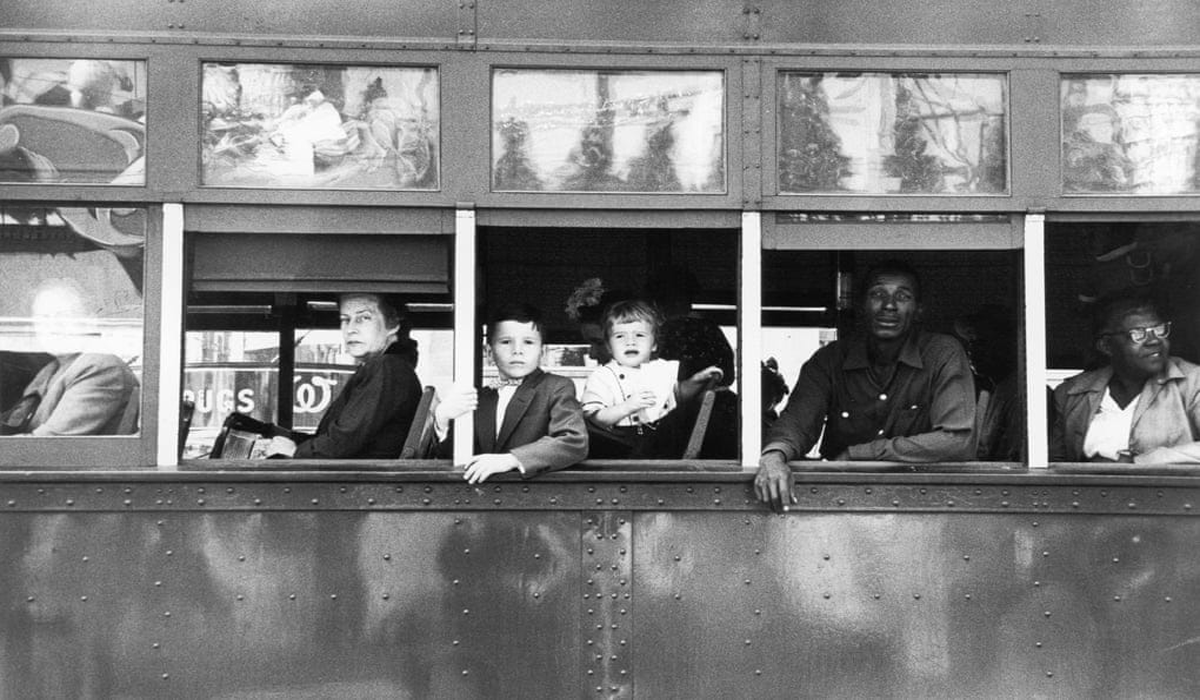
Black and white photography has a remarkable ability to convey emotion. Without the distraction of color, viewers are immediately drawn to expressions, movements, and atmospheres within the image. This makes emotional messages easier to communicate.
Many monochrome photographs are considered more “honest” because they are not influenced by color effects that might distract meaning. For example, a person’s facial expression appears stronger and more profound when captured in black and white. Every small detail becomes more significant.
Emotion in monochrome photography also often emerges through atmosphere. Rain, fog, or dim lighting can strengthen the mood of an image. All these elements work together to create a touching visual experience.
Monochrome Photography in the Digital Era
In today’s digital era, black and white photography still holds a special place despite increasingly advanced camera technology. Many editing applications and software allow photographers to easily convert color images into monochrome, but the artistic process still requires sensitivity.
Social media has also played a role in the revival of this trend. Many photographers share their monochrome works as a form of resistance against overly crowded and colorful visuals. Simplicity becomes the main attraction in the midst of digital noise.
In addition, monochrome photography is now widely used in art projects, documentaries, and visual campaigns. This style is considered capable of delivering a classic, elegant, and timeless impression that is difficult to achieve with color photography.
Conclusion
Monochrome photography is not merely a technique of removing color, but a way of seeing the world in a deeper and more reflective manner. Through the play of light, contrast, and emotion, black and white photography simplifies the world without reducing its meaning. In an era filled with fast and colorful visuals, monochrome aesthetics serve as a reminder that simplicity often holds the most timeless beauty.
