Teaching Children to Face Failure
An effective guide helps parents guide children to face failure with confidence, resilience, and a positive mentality from an early age.
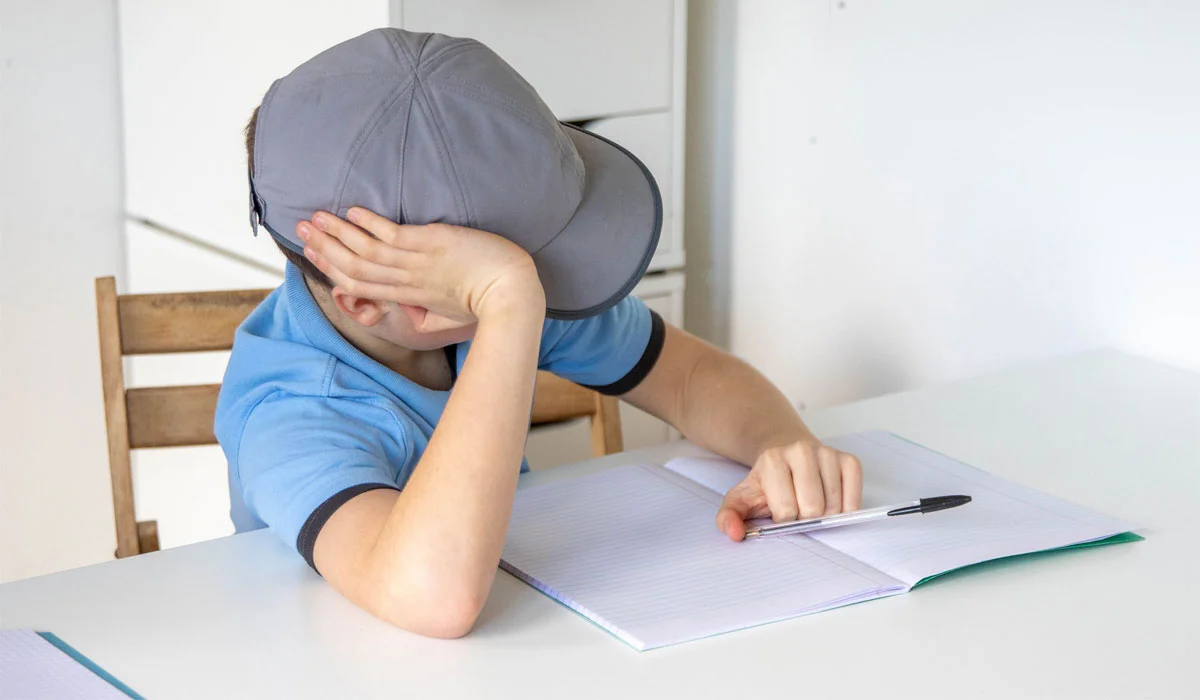
Raising children is a process of guiding them to understand the meaning of failure as an important part of character building, mental toughness, and maturity. The following Photography – Capturing Every Detail will discuss important steps in guiding children to be able to face failure with a positive and mature attitude.
Understanding the Meaning of Failure from an Early Age
Failure is often seen as something to be avoided, but in fact, this experience is an important part of the growth and development process. Teaching children to understand the meaning of failure from an early age helps them see that mistakes are not the end of the world. Children need to know that failing in exams, competitions, or games is normal. Parents can explain that every successful person has experienced failure.
With a calm and empathetic approach, children learn that failure is an opportunity to improve. For example, when a test score is less than satisfactory, encourage your child to evaluate it together without blaming them. Discussions like this foster a growth mindset and a sense of responsibility. This understanding provides an important foundation for children to persevere when facing new challenges in their daily lives.
Setting a Positive Attitude
Children learn primarily by observing their parents’ behavior. Therefore, teaching children how to deal with failure needs to start with real-life examples at home. When parents experience mistakes or plans that don’t go as planned, demonstrate a calm demeanor and offer constructive solutions. Avoid excessive blame on circumstances or others.
For example, if a project doesn’t meet expectations, explain that this is a valuable lesson for the next step. This positive attitude will be imprinted in children’s memories and shape how they respond to failure. Additionally, use supportive, non-condescending language when children make mistakes. Tactful responses help children feel safe to try again without fear of punishment or embarrassment, thus maintaining their self-confidence.
Alsoa Read: How To Use Sunlight For Captivating Beach Photos
Developing a Growth Mindset
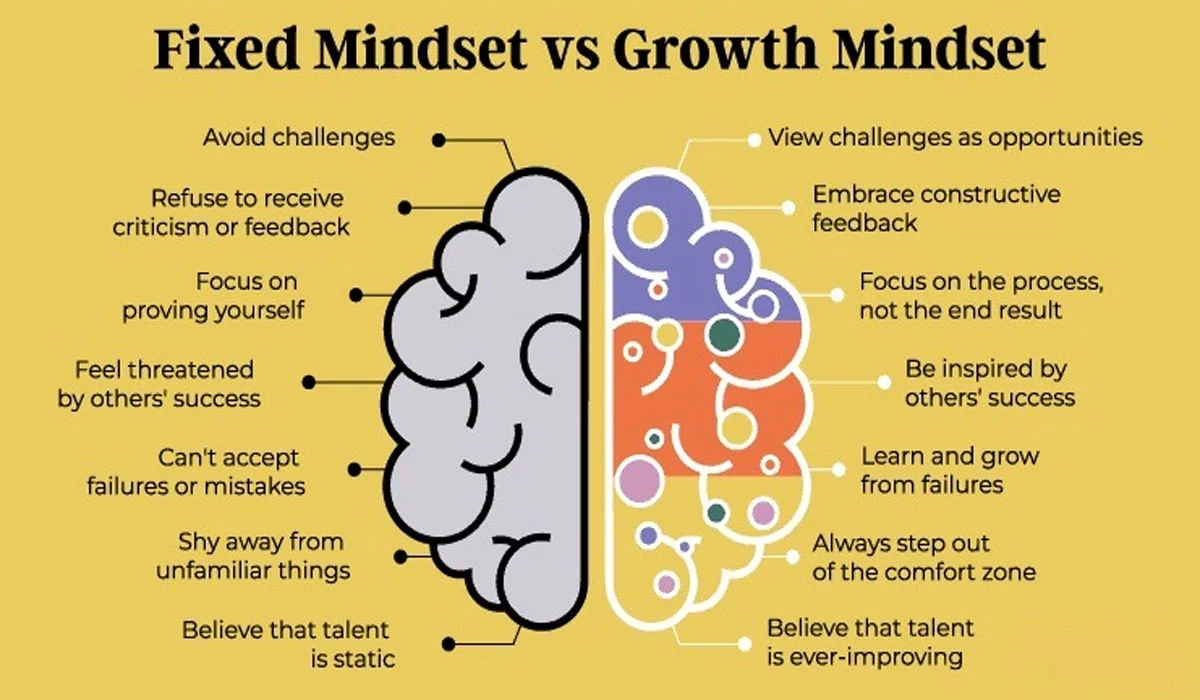
A growth mindset helps children believe that abilities can be honed through effort. Teaching children with this approach means emphasizing the process over the end result. Instead of praising intelligence alone, appreciate their hard work and perseverance. For example, when a child fails to win a competition, praise their regular practice and discuss strategies for improvement.
This way, children understand that failure is not a reflection of their self-worth, but rather part of the learning process. Parents can also encourage children to set small, realistic goals so they can experience gradual progress. This habit builds mental resilience and self-reflection. Children with a growth mindset tend to be more courageous in trying new things and are more resilient when faced with obstacles.
Building Children’s Self-Confidence
Self-confidence plays a major role in how children respond to failure. Teaching children to remain confident in their abilities can be done through consistent emotional support. Avoid comparing children with friends or siblings, as this can actually lower their self-confidence. Instead, focus on their personal development over time.
Give children opportunities to make simple decisions so they learn to be responsible. When they fail, remind them that their self-worth isn’t determined by a single event. Concrete examples, such as assisting children in developing a study plan after a poor test result, help them feel supported. With strong self-confidence, children are more prepared to bounce back and try again without excessive fear.
Teaching Strategies for Recovering from Failure
In addition to understanding failure, children also need to know concrete steps to recover. Teaching children simple evaluation strategies such as recognizing mistakes, finding solutions, and developing improvement plans will help them grow. Encourage children to write down what they can do differently next time.
This technique fosters analytical skills and personal responsibility. Parents can help by making a list of small, realistic actions, such as studying more regularly or asking a teacher for help. This process teaches them that every failure holds a valuable lesson. By practicing reflection and re-planning, children will not only become more resilient, but also more independent in facing various life challenges in the future.
Image Source:
First Image from: www.fabic.com.au
Second Image from: mentorloop.com
