Visual Adventure: How To Capture Stunning Mountain Panoramas
Discover expert tips for capturing breathtaking mountain panoramas and transform your outdoor photography into a stunning visual adventure.
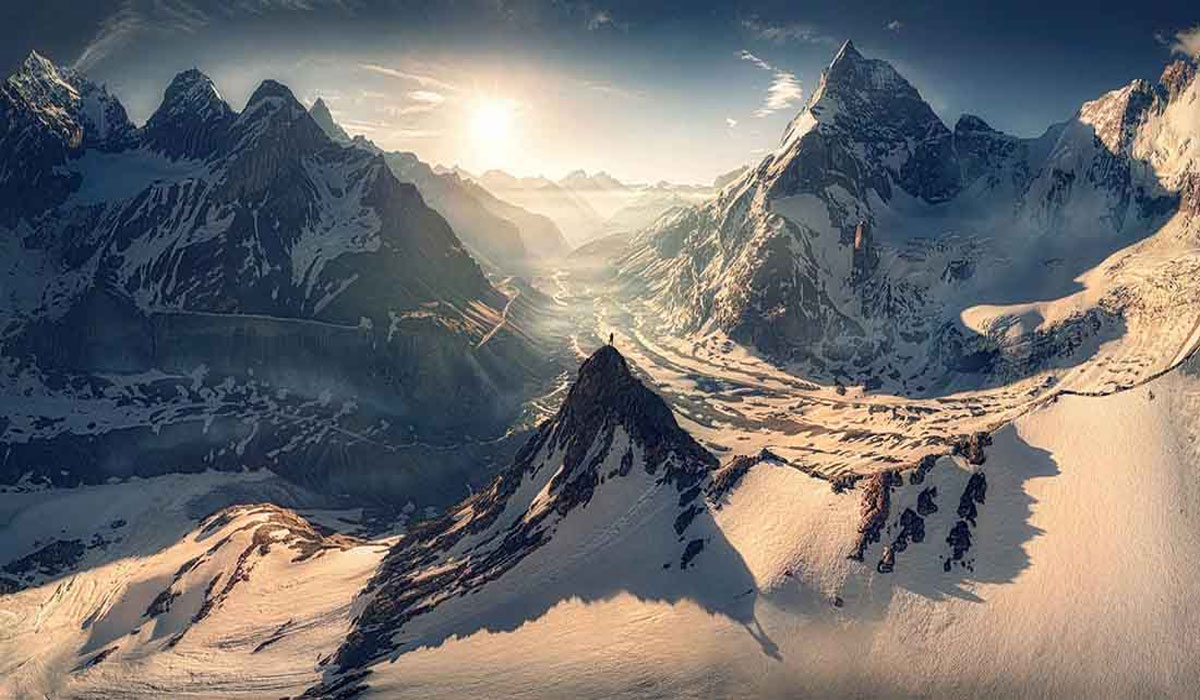
Embark on a visual adventure and learn how to capture the awe-inspiring beauty of mountain landscapes. This guide explores essential tips for timing, composition, and lighting, helping photographers transform ordinary scenes into stunning panoramas. Below, Photography – Capturing Every Detail will provide interesting information that you must know.
The Allure Of Mountain Landscapes
Mountains have long fascinated photographers, offering a blend of drama, scale, and serenity that is hard to replicate elsewhere. From mist-shrouded peaks at sunrise to golden sunsets spilling across ridges, the mountain landscape presents endless opportunities for visual storytelling.
Capturing their essence requires more than pointing a camera it demands patience, an eye for composition, and an understanding of how light interacts with rugged terrain. A well-captured panorama can transport viewers to the scene, making them feel the crisp air and the sense of grandeur inherent in these natural wonders.
Timing Is Everything
One of the most crucial aspects of mountain photography is timing. Early morning and late afternoon, often called the golden hours, provide soft, warm light that enhances textures and colors. Shadows are longer, adding depth to your images and highlighting the contours of the peaks.
Midday light, while harsh, can be used creatively when shooting scenes with snow or reflective surfaces, but it requires careful exposure management to avoid washed-out skies. Weather, too, plays a pivotal role; fog, clouds, or storms can transform a familiar landscape into something mystical or dramatic, so being flexible and patient is key to capturing a truly breathtaking shot.
Composition Beyond The Summit
Great mountain panoramas are not just about capturing the highest peaks—they’re about storytelling through composition. Foreground elements like rocks, trees, or lakes can provide scale and context, leading the viewer’s eye into the scene. Using natural lines such as ridges, rivers, or trails helps guide attention and create a sense of depth.
Experimenting with different angles, from low perspectives to elevated vantage points, can transform ordinary scenery into striking compositions. Panoramas are particularly effective in showing the vastness of mountain ranges, connecting multiple peaks in a single, cohesive frame that evokes awe.
Read Also: Sunset Rainbow On The Sand: Capturing The Charm Of The Beach
Mastering Your Camera And Gear
While vision and timing are vital, knowing your equipment ensures you capture the panorama as you imagine it. Wide-angle lenses are often favored for sweeping vistas, but telephoto lenses can isolate interesting details, compressing distant peaks for a dramatic effect.
Tripods are essential for stability, especially when stitching multiple images together for a seamless panorama. Additionally, learning how to manually control exposure, focus, and white balance allows greater creative freedom. Even small adjustments, such as bracketing exposures for high-dynamic-range (HDR) compositions, can elevate an ordinary landscape into something spectacular.
The Art Of Post-Processing
Post-processing is not cheating it’s part of the art of modern landscape photography. Subtle adjustments to contrast, saturation, and sharpness can enhance the natural beauty of mountains without making them look artificial. Stitching software allows for wider panoramas than a single lens can capture, and techniques like dodging and burning can emphasize textures and light.
Cloud and sky replacement should be used cautiously, keeping the scene authentic, but minor corrections for lens distortion or color balance can make your final image more compelling. Ultimately, post-processing should serve your vision, transforming what you saw through your lens into an immersive visual adventure for your audience. Watch and keep following, don’t miss the most complete information regarding Photography – Capturing Every Detail.
