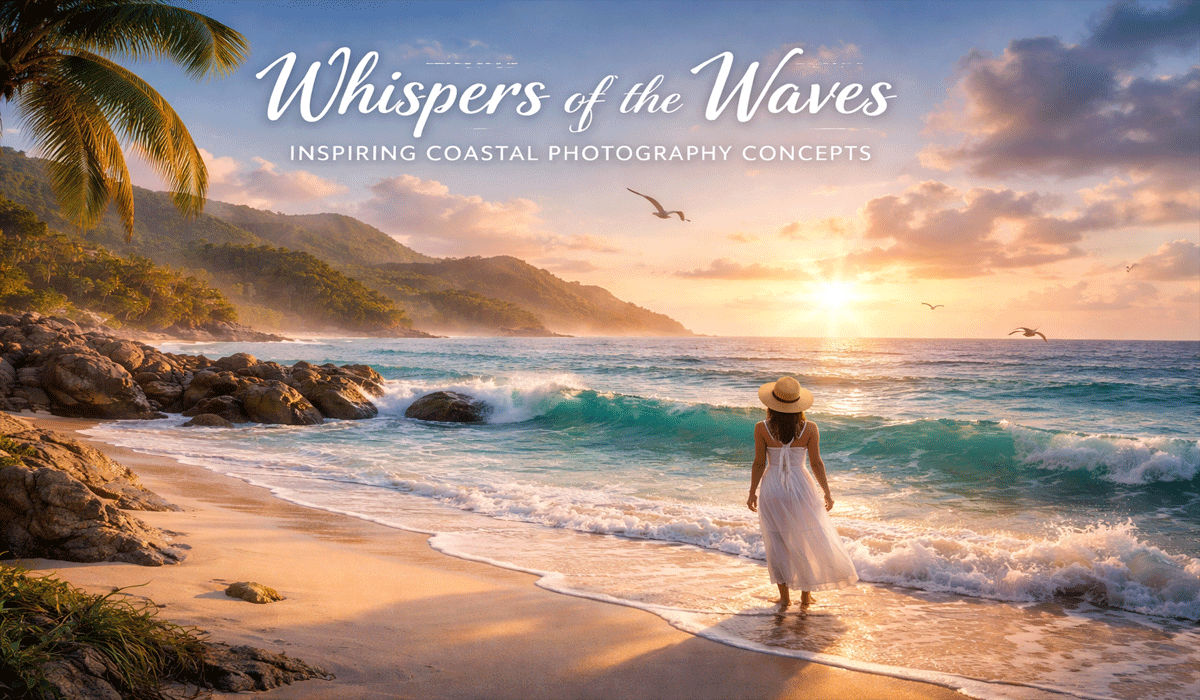
Whispers of the Waves: Inspiring Coastal Photography Concepts
Discover serene coastal photography ideas, capturing waves, light, and motion to create inspiring, evocative seascape images.
Below, TEACHING will provide some explanations regarding Reinventing Learning Systems for an Innovation-Driven Future.
Embracing the Serenity of Shorelines
Coastal photography is more than capturing water and sand; it’s an art of embracing the calm and transient beauty of shorelines. Every wave crashing against the shore carries a unique rhythm that photographers can translate into visually compelling images. The interplay of light and water at different times of the day creates moods that range from tranquil mornings to dramatic sunsets, offering endless opportunities for creative expression.
For photographers, understanding the atmosphere of a coastal area is essential. Factors such as wind patterns, tides, and cloud formations influence the way scenes unfold, adding depth and dynamism to photographs. By anticipating these natural elements, photographers can capture moments where light, texture, and motion harmonize.
Playing with Light and Shadows
One of the most compelling aspects of coastal photography is the way light interacts with the landscape. Sunrise and sunset offer warm, golden tones that highlight textures in sand, rock formations, and water. Shadows created by dunes, cliffs, and driftwood can add dramatic contrasts, emphasizing the three-dimensionality of the scene.
Beyond natural lighting, reflections on wet sand or tidal pools can create mirror-like effects that double the visual impact of a scene. Experimenting with long exposure techniques allows the motion of waves to appear smooth and ethereal, contrasting sharply with static objects like rocks or piers. By mastering light and shadow interplay, photographers can craft images that feel alive, inviting viewers to immerse themselves in the coastal experience rather than just observe it.
Read Also: Capturing Tranquility Stunning Beach Photography Ideas
Capturing Movement and Emotion
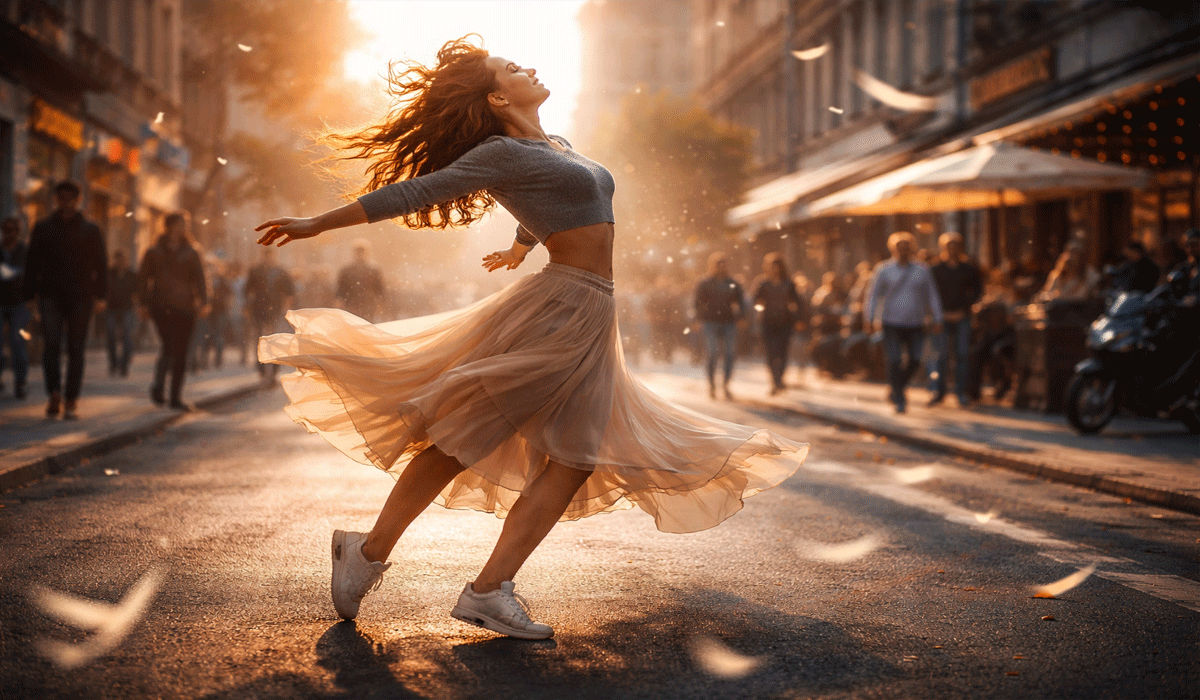
Movement is at the heart of coastal photography. Waves, birds, and shifting clouds introduce dynamic energy to photographs, conveying a sense of motion that brings static images to life. Capturing this movement effectively requires a balance between shutter speed, framing, and timing. A fast shutter can freeze a crashing wave mid-air, highlighting its raw power, while a slower shutter can produce silky water effects, creating a dreamlike atmosphere.
Emotion also plays a critical role in storytelling. Scenes of solitary beaches, children playing in surf, or fishermen casting nets can evoke feelings of nostalgia, freedom, or contemplation. By connecting the physical elements of the coast with human experience or mood, photographers can produce images that communicate universally, transcending language and cultural barriers.
Experimenting with Perspectives and Composition
Creativity in coastal photography often stems from experimenting with perspectives. Shooting from low angles close to the sand can make ordinary waves appear monumental. While aerial views provide a unique vantage point that reveals patterns in water currents and sand formations. Composition techniques such as the rule of thirds, leading lines, and framing with natural elements help guide the viewer’s eye and create balanced, engaging images.
Photographers are encouraged to explore unconventional approaches, such as including reflections, shadows, or abstract shapes formed by driftwood, shells, or foam. Combining these elements with patience and observation allows for images that are both technically strong and artistically expressive.
For the latest and most interesting related information, you can also click the TEACHING link.
Image Source:
First Image from lyssandhercamera.com
Second Image from www.thelandscapephotoguy.com
