Portrait of Life by the Sea
Portraits of life by the sea depicting the beauty of nature, the struggles of fishermen, which are full of meaning and hope.
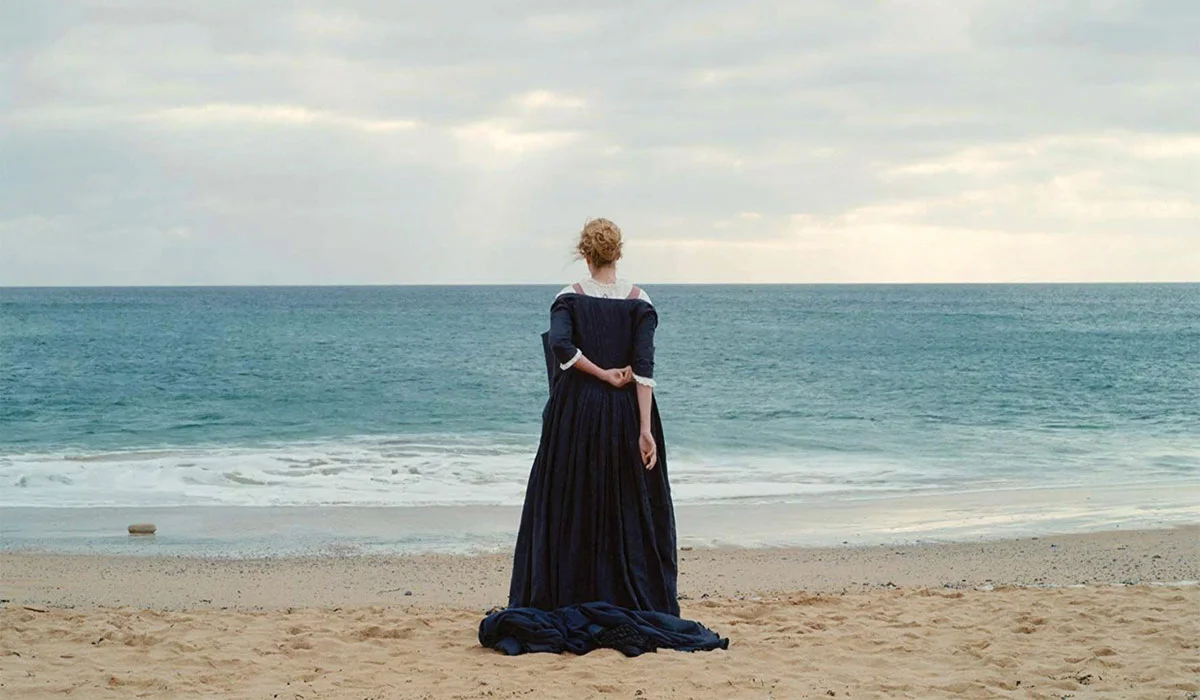
Portrait of Life by the Sea is a comprehensive overview of the activities, culture, and interactions of coastal communities with their surrounding marine environment. The following Photography – Capturing Every Detail will discuss various important aspects that shape the lives of coastal communities socially, economically and culturally.
Social Dynamics of Coastal Communities
Coastal communities have close social interaction patterns due to their dependence on nature and continuous, daily collective work. A portrait of life by the sea is evident in the tradition of mutual cooperation when going out to sea, repairing boats, and equitably sharing the catch.
Relationships between residents are usually built on trust, shared experiences, and traditional values passed down through generations. Children grow up knowing the sea as a natural learning space, while parents act as educators based on their experiences. The open geographical conditions also make coastal communities more adaptable to newcomers, resulting in inclusive social interactions.
In daily life, activities such as morning fish markets, fishermen’s meetings, and traditional ceremonies strengthen solidarity. This social pattern creates a resilient, interdependent community capable of collectively resiliently facing environmental and economic changes.
Marine-Based Economic Activities
The economy of coastal communities generally relies on the direct and sustainable use of marine resources. This portrait of life by the sea is reflected in the activities of fishermen, seaweed farmers, and processing the catch into value-added products. The economic process begins early in the morning, when fishermen set out to sea, and continues with the distribution of their catch at the fish auction.
Some communities also develop supporting businesses such as boat repair, fishing gear sales, and seafood processing. This economic pattern is heavily influenced by the seasons, weather, and marine ecosystem conditions. Therefore, business diversification is a crucial strategy for maintaining income stability. With proper management, the coastal economy can support family life while driving sustainable regional growth.
Also Read: Secrets of Beach Photography: How to Capture Perfect Waves and Sunsets!
Coastal Culture and Traditions
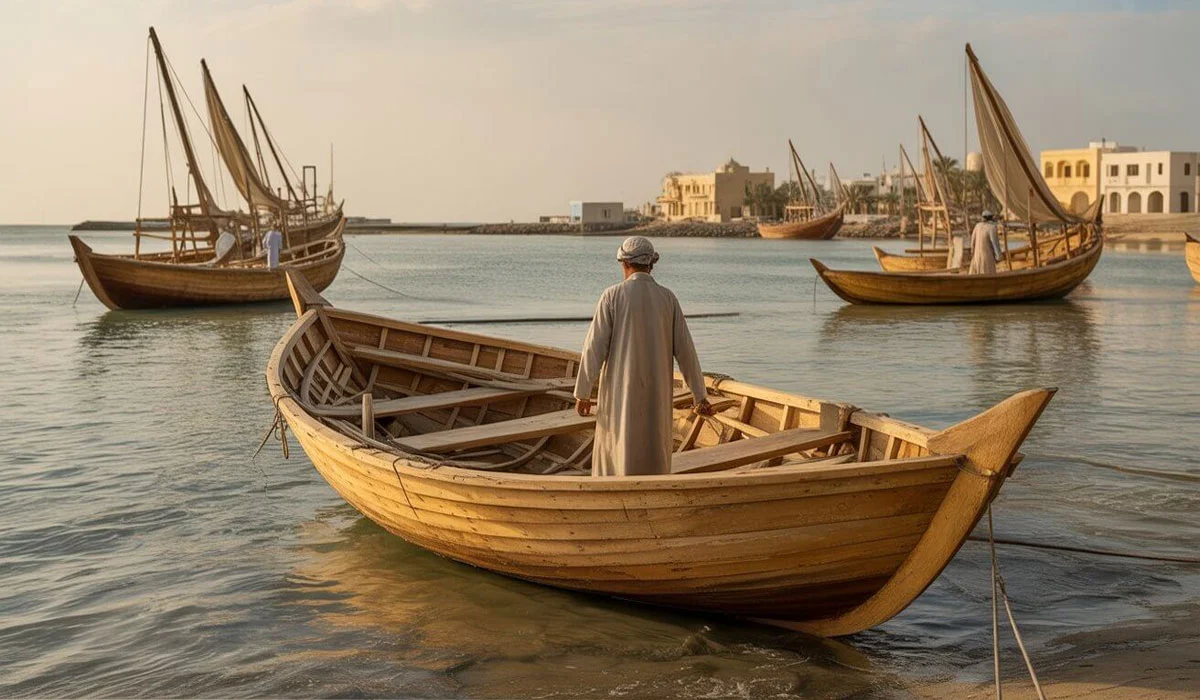
Coastal culture develops from the long interaction between humans and the sea, shaping a distinctive community identity. Portrayals of Life by the Sea are reflected in various traditions such as sea ceremonies, safety rituals at sea, and celebrations of catches. These traditions are not only symbolic but also serve to maintain a balanced relationship between humans and nature.
Values such as gratitude, caution, and respect for the sea are passed down through oral stories and daily practices. Coastal art also develops in the form of songs, dances, and crafts inspired by maritime life. This culture serves as a social glue that strengthens local identity amidst the tide of modernization. By upholding traditions, coastal communities maintain local wisdom relevant to the sustainability of their environment and social life.
Relationship between Humans & the Marine Environment
The marine environment is central to life, influencing the lifestyles and ways of thinking of coastal communities. Portraits of Life at the Sea demonstrates how humans learn to read natural signs, such as wind and wave direction, to determine daily activities. This dependence fosters awareness of the importance of maintaining productive marine ecosystems.
Many communities implement local regulations to protect fishing grounds, coral reefs, and other important habitats. These practices aim to ensure resources remain available for future generations. A balanced interaction between humans and the environment creates a relationship of mutual care. When the ocean is healthy, communities prosper. Therefore, environmental conservation is an integral part of sustainable and responsible coastal life.
Challenges and Adaptation of Coastal Life
Life in coastal areas faces various challenges that demand a high level of adaptability from its communities. Portraits of Life at the Sea demonstrates the impact of climate change, coastal erosion, and fluctuating catches on livelihood stability. These conditions encourage communities to adapt their strategies, both through simple technology and changes in work patterns. Education and access to information are important factors in increasing adaptive capacity.
Some communities have begun developing alternative businesses, strengthening local institutions, and collaborating with various parties. Adaptation is not simply about surviving; it also involves seeking new opportunities without abandoning core community values. With the right adaptability, coastal communities can continue to lead productive lives despite constantly changing environmental and social dynamics.
Image Source:
First Image from: www.newstatesman.com
Second Image from: blog.gettransfer.com
