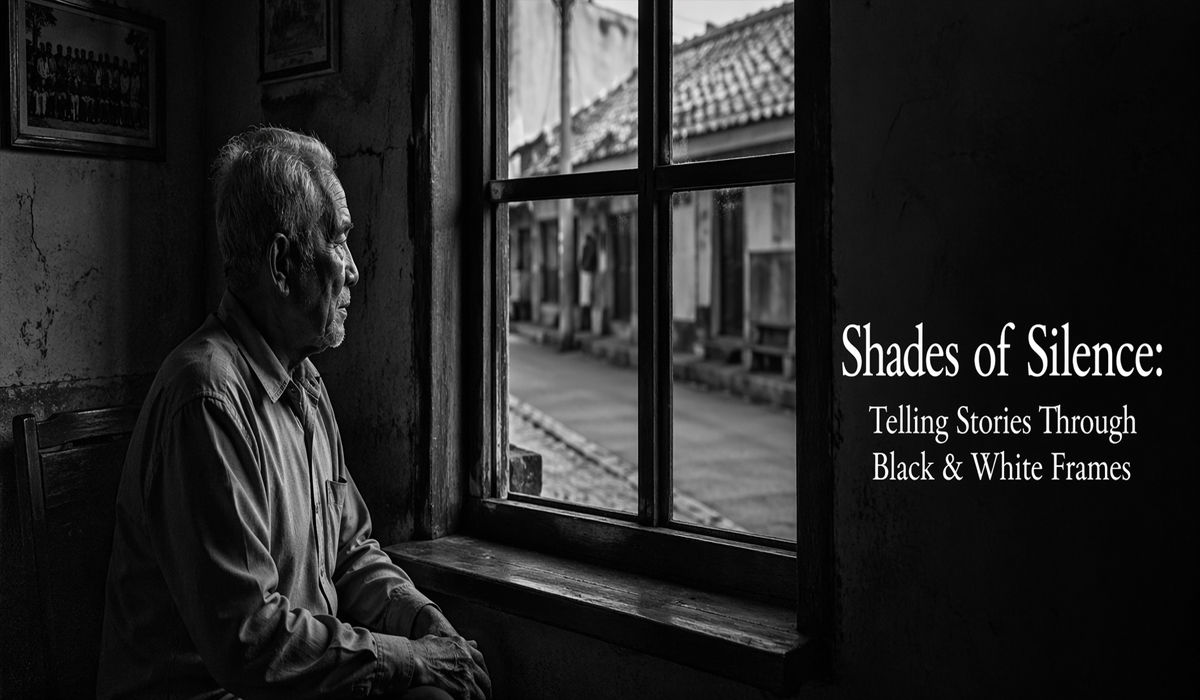
Shades of Silence: Telling Stories Through Black & White Frames
Shades of Silence reveals how black and white frames capture emotion, contrast, and timeless stories through minimalist visual storytelling.
Below, TEACHING will provide some explanations regarding Reinventing Learning Systems for an Innovation-Driven Future.
The Timeless Power of Monochrome
Black and white photography has long stood as a powerful medium that transcends trends and technological shifts. Without the distraction of color, every frame becomes a study of contrast, light, and emotion. The absence of color invites viewers to focus on the essence of the subject its texture, form, and the story hidden beneath the surface. This simplicity often results in a more profound and lasting impact compared to color imagery.
Monochrome visuals also evoke a sense of nostalgia and timelessness. They remind us of earlier eras when photography was purely black and white, yet rich in narrative depth. In today’s fast-paced digital age, black and white frames offer a pause a moment of quiet reflection where the viewer can engage more intimately with the image and its meaning.
Emotion Amplified Through Contrast
One of the most compelling aspects of black and white imagery is its ability to amplify emotion. By stripping away color, photographers rely heavily on contrast to convey mood. Deep shadows and bright highlights create a dramatic tension that can evoke feelings ranging from melancholy to hope. This interplay of light and dark becomes the language through which stories are told.
Facial expressions, gestures, and subtle details become more pronounced in monochrome. A single glance or a fleeting moment can carry immense emotional weight when presented without color. This is why black and white photography is often favored in portraiture and documentary storytelling it captures raw human emotion in its purest form, allowing viewers to connect on a deeper level.
Read Also: Beyond Color: Capturing Emotion in Black & White Photography
Storytelling Without Distraction

Color can sometimes dominate an image, drawing attention away from the subject or narrative. In black and white photography, however, the absence of color removes these distractions. The viewer is guided directly to the composition, lines, and textures that define the story. Every element in the frame must serve a purpose, making the storytelling more intentional and focused.
This clarity is particularly effective in photojournalism and artistic projects. Scenes that might appear ordinary in color can transform into compelling visual stories in monochrome. The simplicity encourages viewers to interpret the image more thoughtfully, often leading to multiple layers of meaning and personal reflection.
The Art of Seeing Differently
Creating impactful black and white images requires a unique way of seeing the world. Photographers must train their eyes to recognize patterns, contrasts, and lighting conditions that work well without color. It is not merely about converting a color image to grayscale, but about envisioning the final result before capturing the shot.
This artistic discipline fosters creativity and attention to detail. By focusing on composition and light, photographers develop a stronger visual language that enhances their overall craft. In many ways, black and white photography is not a limitation, but a tool that sharpens perception and deepens storytelling.
For the latest and most interesting related information, you can also click the TEACHING link.
Image Source:
First Image from lyssandhercamera.com
Second Image from stockcake.com
