Beyond Color: Capturing Emotion in Black & White Photography
Black and white photography is often seen as a simpler or more “classic” form of visual storytelling, but in reality, it is one of the most powerful ways to express emotion.

By removing color from an image, the photographer forces the viewer to focus on composition, light, texture, and mood. This stripping away of visual distraction often reveals a deeper emotional layer that color images can sometimes hide.
This Photography article explores how black and white photography goes beyond aesthetics and becomes a medium for emotional storytelling. It will cover how contrast, lighting, composition, and subject matter work together to create images that feel timeless, expressive, and deeply human.
The Power of Removing Color
When color is removed from a photograph, the viewer’s attention naturally shifts to other visual elements. Without the influence of hues, the brain focuses more on shapes, shadows, and expressions. This often intensifies the emotional impact of an image because nothing distracts from the core subject.
Black and white photography simplifies reality while enhancing meaning. A smiling face, a lonely street, or a dramatic landscape can feel more powerful because the absence of color encourages viewers to interpret emotion rather than simply observe it.
Contrast as Emotional Language
Contrast plays a crucial role in black and white photography. The relationship between light and dark areas creates visual tension, which often translates into emotional depth. High contrast images can feel dramatic, intense, or even unsettling, while low contrast images tend to feel soft, calm, or nostalgic.
Photographers use contrast intentionally to guide emotional interpretation. A bright subject emerging from deep shadows can symbolize hope or resilience, while evenly balanced tones can suggest peace and harmony.
Read Also: Photographing Tropical Beaches with Maximum Results
Light and Shadow Storytelling
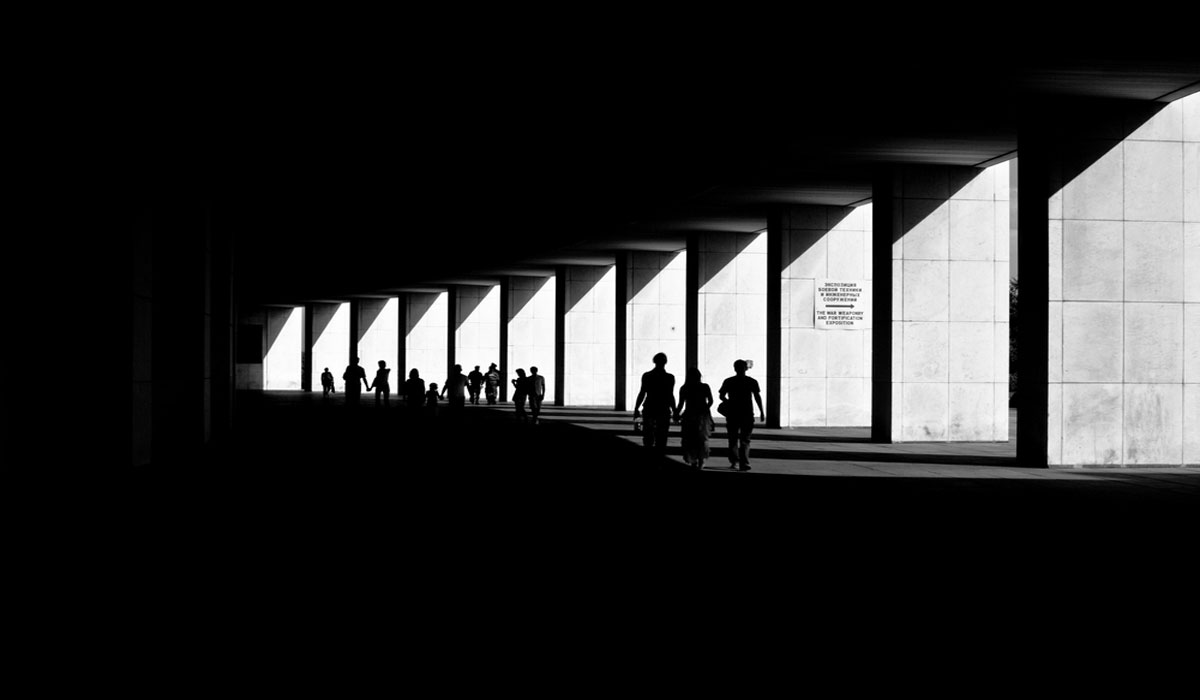
In black and white photography, light becomes more than illumination it becomes a storytelling tool. The direction, intensity, and quality of light can completely change the mood of an image. Soft light can create a gentle, reflective feeling, while harsh light can produce strong emotional tension.
Shadows are equally important because they add mystery and depth. They can conceal parts of a scene, allowing the viewer’s imagination to fill in the gaps. This interaction between light and shadow often creates a more engaging emotional experience.
Texture and Detail in Monochrome
Without color, texture becomes one of the most important elements in an image. Rough surfaces, delicate skin details, fabric patterns, or weathered environments all become more noticeable in black and white.
These textures help ground the photograph in reality while also enhancing emotional tone. For example, cracked walls or worn hands can evoke feelings of age, history, and endurance, while smooth surfaces may suggest calmness or purity.
Composition and Emotional Focus
Composition in black and white photography is essential because it directs the viewer’s attention. Elements such as leading lines, framing, and balance help shape how the emotion of an image is perceived.
A centered subject may feel stable and strong, while an off-center composition can create tension or unease. Negative space also plays a key role, often emphasizing isolation, silence, or contemplation.
Artistic Intent and Expression
Photographers often choose black and white not because of limitation, but because of intention. It allows them to remove unnecessary distractions and focus purely on emotional expression.
This choice can transform ordinary scenes into powerful visual statements. By controlling light, contrast, and composition, the photographer guides the viewer toward a specific emotional interpretation.
Conclusion
Beyond color, black and white photography becomes a language of emotion. It relies on light, shadow, texture, and composition to communicate feelings that go beyond what color alone can express.
By stripping away distraction, monochrome images invite viewers to slow down, observe more deeply, and connect emotionally with the subject. Stay tuned and enjoy our daily aesthetic photography tips only Photography – Capturing Every Detail.
Image Information Source:
First Image from: richterfineartphotography.com
Second Image from: photographytalk.com
