Editorial Fashion Photography Crafting High-End Visual Stories
Editorial fashion photography is about creating visual narratives that express mood, identity, and artistic direction beyond just clothing.
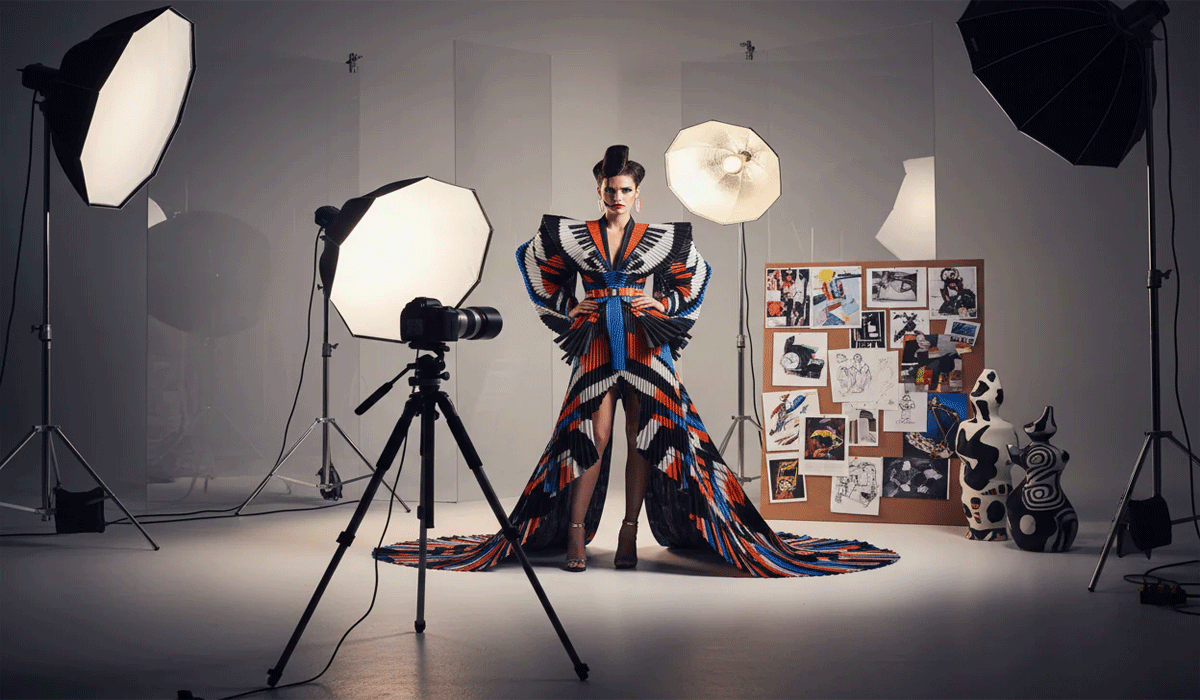
In high-end fashion, every frame is carefully designed to communicate a story that goes beyond fabric and style, turning images into powerful editorial statements.
This Photography article will explores how editorial fashion photography is crafted, focusing on composition, lighting, styling, and storytelling techniques that define premium visual production in the fashion industry.
Understanding the Concept of Editorial Fashion Photography
Editorial fashion photography is centered around storytelling rather than simple product display. Each shoot is designed to express a theme, concept, or emotion that connects fashion with a broader artistic vision.
Unlike commercial photography, which focuses on selling a product directly, editorial work emphasizes mood and narrative. The clothing becomes part of a larger visual message rather than the sole focus.
This approach allows photographers and creative teams to experiment more freely, blending fashion with art, culture, and cinematic influence.
Building a Strong Visual Narrative
A successful editorial shoot begins with a clear concept. This concept acts as the foundation for styling, location selection, model direction, and post-production editing.
The narrative can be inspired by many sources, such as literature, film, architecture, or abstract emotions. These inspirations help shape the tone of the entire shoot.
When the narrative is strong, every visual element works together cohesively. This creates images that feel intentional, immersive, and emotionally engaging.
Read Also: Capture Stunning Beach Moments with These Creative Photo Ideas
The Role of Lighting in High-End Photography
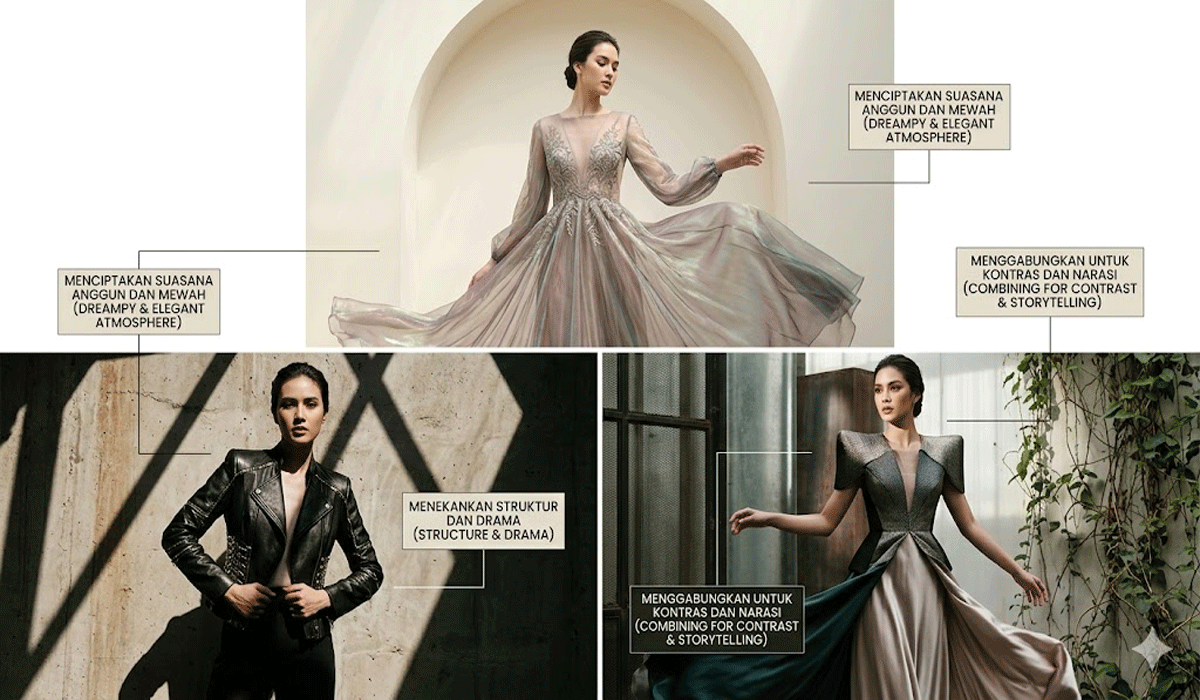
Lighting is one of the most critical elements in editorial fashion photography. It determines the mood, depth, and visual impact of each frame.
Soft lighting can create a dreamy, elegant atmosphere, while harsh lighting can emphasize structure and drama. High-end editorial work often combines both techniques for contrast and storytelling depth.
Professional photographers carefully control light direction and intensity to highlight textures, shapes, and movement within the composition.
Styling and Art Direction
Styling plays a key role in shaping the identity of an editorial shoot. Every outfit, accessory, and detail is selected to match the overall concept.
Fashion stylists work closely with art directors to ensure consistency between wardrobe, makeup, and set design. This collaboration is essential for creating a unified visual language.
High-end editorial photography often involves bold styling choices that push creative boundaries while maintaining aesthetic balance.
Composition and Framing Techniques
Composition determines how the viewer interacts with the image. Strong framing guides the eye and emphasizes the most important elements within the scene.
Photographers often use symmetry, negative space, and dynamic angles to create visually compelling images. These techniques help elevate the storytelling aspect of the photograph.
In editorial fashion, composition is not just technical—it is also emotional, shaping how the audience interprets the narrative.
Post-Production and Final Visual Refinement
Color grading, retouching, and tonal adjustments help unify the entire series of images.
The goal is not to over-edit but to enhance the intended mood and atmosphere. Subtle adjustments can significantly impact the final storytelling outcome.
In high-end editorial work, post-production ensures that every image aligns with the creative vision established at the beginning of the project.
Conclusion
Editorial fashion photography is a sophisticated blend of art, storytelling, and technical precision. It transforms fashion into a visual narrative that communicates emotion, identity, and creativity.
By combining strong concepts, lighting control, styling, and composition, photographers can craft high-end visual stories that go beyond aesthetics and leave a lasting impression.
First Image: www.wallpics.com
Second Image: lyssandhercamera.com
