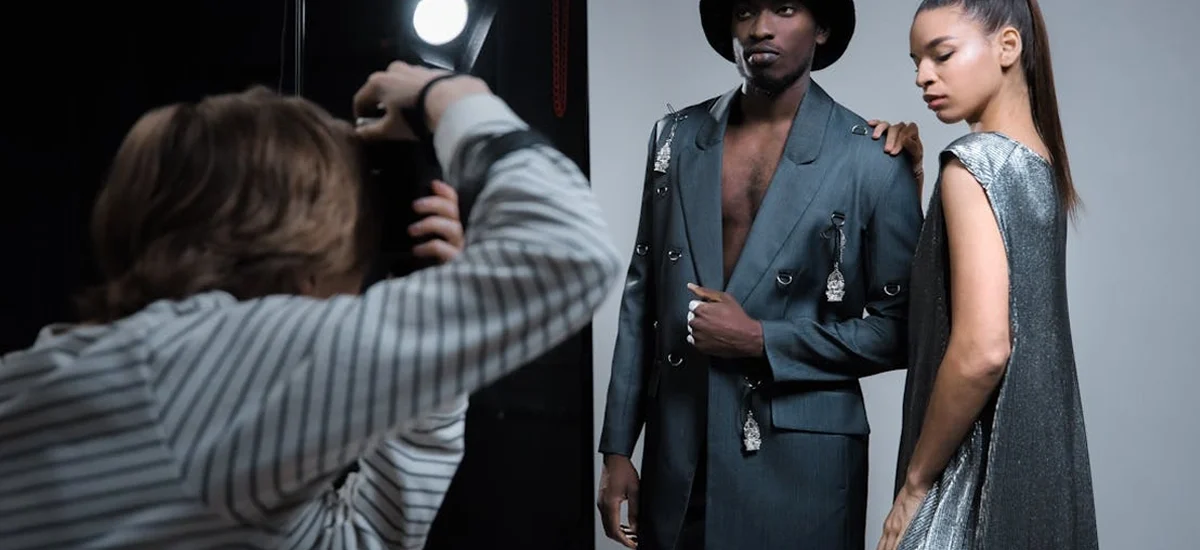
How to Photograph Models with Modern Photography Styles and Techniques
Photographing models requires a combination of modern styles and techniques to produce attractive, high-quality images.
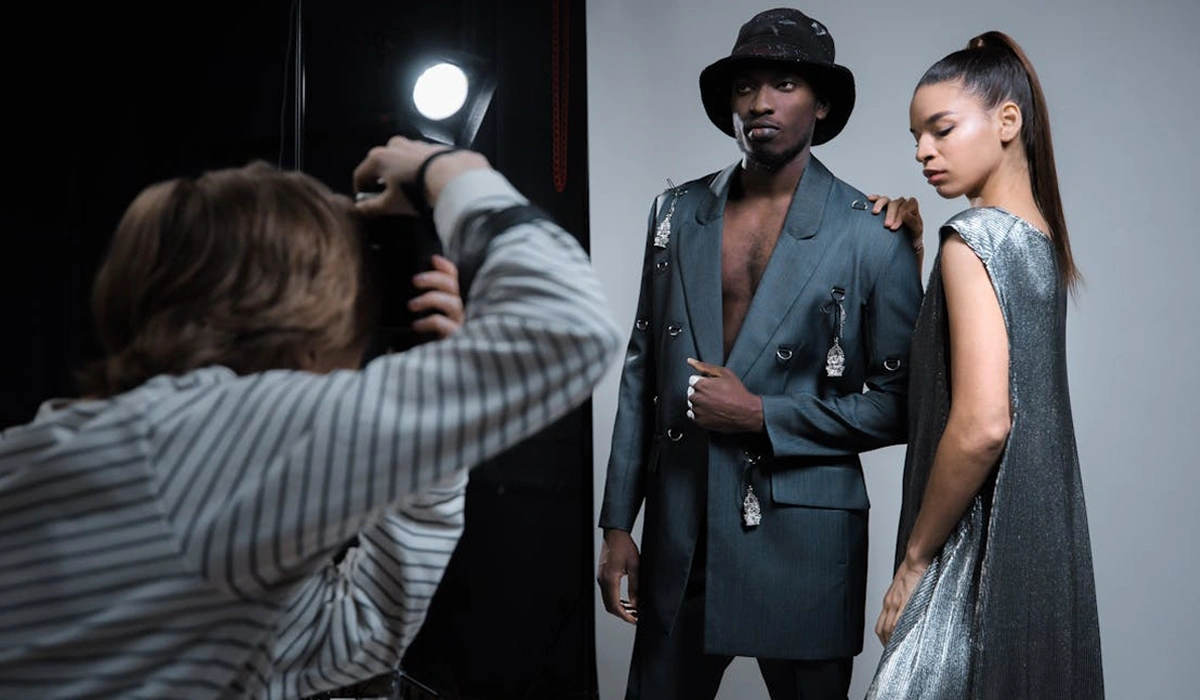
Fashion photography, in particular, is a form of fine art that focuses on promoting fashion products such as clothing, shoes, and perfume. The following Photography – Capturing Every Detail will provide information about fashion photography tips and techniques, from building connections with models, organizing photo shoots, to maximizing photo results.
Mastering Fashion Photography
Fashion photography isn’t just about the clothes, but also the story conveyed through the model. Focusing on the model’s face, expression, and posture makes the photo more vivid and communicative. Each piece of clothing should support the overall aesthetic of the image.
Building a good rapport with the model is crucial. A comfortable and confident model will express herself more naturally, creating stunning poses and expressions. The photographer needs to be able to communicate clearly and warmly throughout the session.
In addition to rapport, understanding the purpose of the shoot makes it easier to set lighting, angles, and composition. Knowing the type of photo required, such as portrait, full-length, or catalog, helps produce images that meet your needs.
Preparing for an Effective Photoshoot
Thorough preparation reduces the risk of problems during the shoot. Photographers should plan for lighting, camera, and potential location challenges to ensure a smooth session.
Knowing the product type and the purpose of the shoot is crucial. Catalog, social media, or editorial photography have different lighting and composition requirements, so planning this saves time and effort.
Team coordination is also crucial. With an organized support team, from stylists and makeup artists to assistants, photoshoots become more efficient and professional.
Model Photography Techniques Angles Props and Lighting
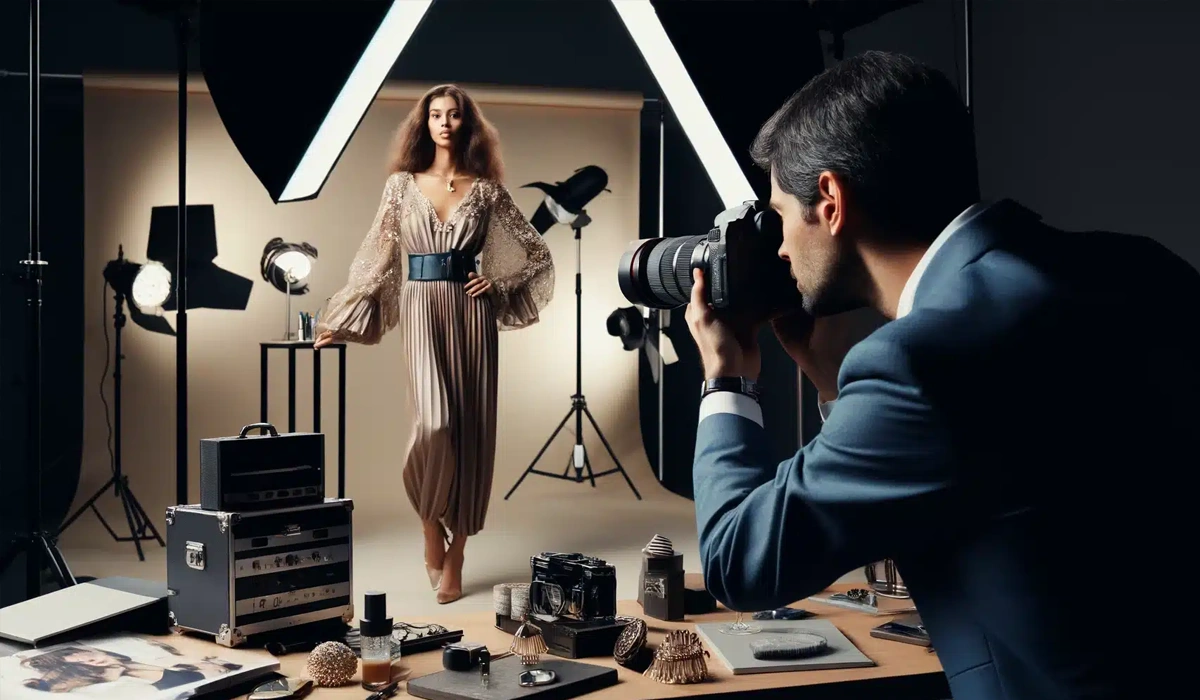
The shooting angle determines the perspective and emphasizes the model’s pose. A long lens like an 85mm is ideal for portraits, while a wide lens is suitable for full-length shots. Experimenting with different angles creates a variety of interesting photos.
Props and additional elements add visual dimension and context to the story. Props should be relevant to the theme to make the photo look lively and professional.
Lighting determines the mood of the photo. Soft light is suitable for beauty shots, hard light for edgy fashion, and high-key lighting emphasizes the model and reduces unwanted shadows.
Directing Model Poses Expression and Aesthetics
A model’s confidence influences the outcome of a photo. A comfortable model explores poses, adjusts angles, and displays stunning, natural expressions.
Posing references help the model understand the style and poses the photographer is aiming for. Moodboards or examples of poses from Pinterest speed up the photoshoot process and enhance the results.
Non-verbal communication is effectively used when directing poses. Hand gestures or gaze guides help the model focus on a particular expression or pose, creating a dynamic and natural photo.
Camera Optimization and Finishing Touches
Choosing a long lens and focusing on the model’s eyes creates a beautiful bokeh effect and highlights the subject. Prime lenses help create glamorous photos with soft backgrounds.
ISO and shutter speed settings affect sharpness and exposure. A high ISO supports low-light shooting, while a fast shutter speed prevents blur when the model moves.
Attention to detail and color minimizes editing. Check labels, clothing creases, and color saturation to ensure photos look natural, professional, and true to the product.
Keep monitoring the various interesting information that we provide every day, of course, it is only trusted at Photography – Capturing Every Detail.
Image Source:
First Image from tutorials.com
Second Image from pexels.com
