The Art of Shadows: Mastering Black & White Photography
Black and white photography it is an art form that strips away the distractions of color to reveal the raw essence of a subject.
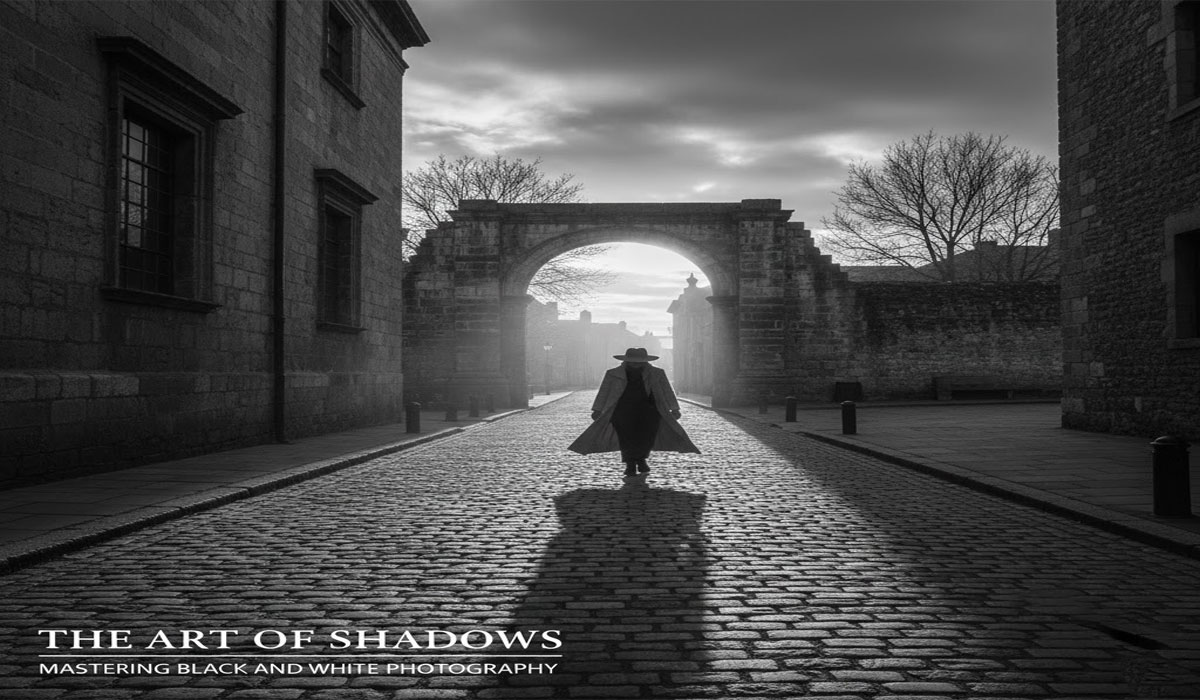
Below we Photography – Capturing Every Detail will explores how light, shadow, texture, and composition work together to create striking monochrome images. By understanding these key elements, photographers can evoke emotion, tell stories, and elevate their craft in ways that color photography sometimes cannot.
Mastering black and white photography is about understanding these elements and learning how to use them creatively.
Understanding the Power of Shadows
Shadows are central to black and white photography. Unlike color images, where vibrancy can mask imperfections, black and white images rely heavily on tonal range. Shadows create depth, dimension, and drama, guiding the viewer’s eye to the subject. Observing how light falls on a scene and the way shadows interact with objects is essential for creating visually compelling photographs.
Learning to use shadows creatively allows photographers to sculpt their images. Long shadows can add a sense of mystery or tension, while soft, diffused shadows can evoke calm and serenity. The interplay between light and darkness in black and white photography turns ordinary scenes into extraordinary compositions.
Mastering Contrast and Tonality
Contrast is one of the most crucial elements in black and white photography. High contrast can produce bold, striking images with dramatic flair, while low contrast can convey subtlety and nuance. Understanding tonal values from the deepest blacks to the brightest whites is essential for controlling the mood and impact of an image.
Post-processing also plays a significant role in mastering tonal balance. Adjusting exposure, highlights, and shadows can enhance texture and bring out details that would otherwise be overlooked. Developing an eye for tonal range allows photographers to create images that feel three-dimensional, even without color.
Read Also: Beach Photography Tricks, How to Capture Perfect Natural Beauty
Composition Beyond Color
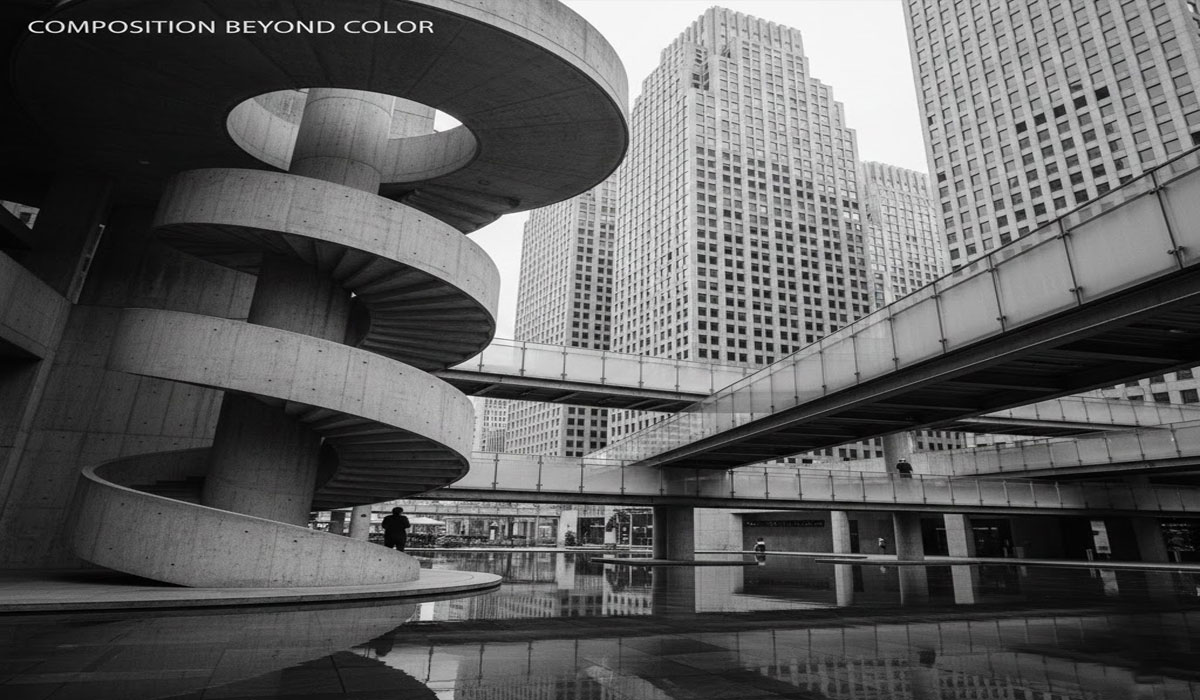
In black and white photography, composition becomes even more critical. Without color to separate elements, shapes, lines, and patterns take center stage. Leading lines, symmetry, and framing techniques help guide the viewer’s attention and create visual harmony.
Photographers can also experiment with minimalism. Removing unnecessary elements in a scene emphasizes form and structure. Every object, line, and shadow matters, and the composition must tell the story on its own. This approach requires careful observation and intentionality.
Capturing Emotion and Mood
Black and white photography excels in evoking emotion. By removing color, the viewer is invited to focus on expressions, gestures, and contrasts in light that communicate feeling. A single tear, a fleeting smile, or a dramatic shadow can carry more weight than a colorful background ever could.
The mood in black and white images is often amplified by lighting choices. Harsh, directional light can create intensity and drama, while soft, diffused light adds warmth and intimacy. Understanding how lighting affects mood is essential for photographers who wish to connect deeply with their audience.
Developing Your Unique Style
Mastering black and white photography also involves cultivating a personal style. Some photographers favor high contrast and bold imagery, while others lean towards soft, dreamy, or cinematic tones. Studying works of masters like Ansel Adams, Dorothea Lange, or Henri Cartier-Bresson can inspire, but the goal is to interpret scenes in your own voice.
Experimentation is key. Shoot in various lighting conditions, explore textures, and embrace imperfections. Over time, your ability to see scenes in black and white will sharpen, enabling you to translate everyday moments into compelling visual stories.
Conclusion
Black and white photography is more than just a technical choice; it is a form of artistic expression. Mastering this medium requires understanding shadows, tonal range, composition, and emotion. By embracing the subtleties of light and darkness, photographers can create images that resonate deeply and stand the test of time.
Join PHOTOGRAPHY today click now and begin your journey toward success in the modern digital era of photography.
Image source :
- First image from lyssandhercamera.com
- Second image from lyssandhercamera.com
