Tropical Moments: A Guide to Captivating Beach Photography
Tropical Moments A captivating beach photography guide that sets the lighting, chooses the right angle, and captures the perfect waves and sunset.

Beach photography has always held a special appeal for visual art lovers. The combination of sand, sea, and tropical light creates unique and stunning moments. However, capturing the beach’s beauty to its full potential isn’t just about pressing the shutter button. There are various techniques and approaches that can make beach photos look vibrant, dramatic, and captivating.
Understanding Light and the Right Timing
The key to beach photography is understanding light. Tropical beaches offer varying light throughout the day, from the warm morning sun to the soft twilight of the afternoon. Many novice photographers often overlook the shooting time and end up with flat or overly contrasty photos.
The golden hour, the hour after sunrise or before sunset, provides warm tones and soft shadows that enhance the texture of the sand and waves. Understanding the movement of light also helps determine the most dramatic shooting angle and maximize the natural beauty of the beach.
Choosing a Dynamic Composition
Composition is a crucial element in beach photography. Simply placing the horizon in the center of the frame often makes a photo feel static. Professional photographers often use the rule of thirds, placing coastlines or interesting objects at key points in the frame.
Including elements such as coconut trees, coral reefs, or fishing boats can create visual depth and draw the viewer’s eye. Tropical beaches also offer the opportunity to play with diagonal lines from waves or footprints in the sand, which can add dynamics to a photo and make it more captivating.
Also Read: Laughter And Growth: The Art Of Capturing Children’s Precious Moments
Using the Long Exposure Technique
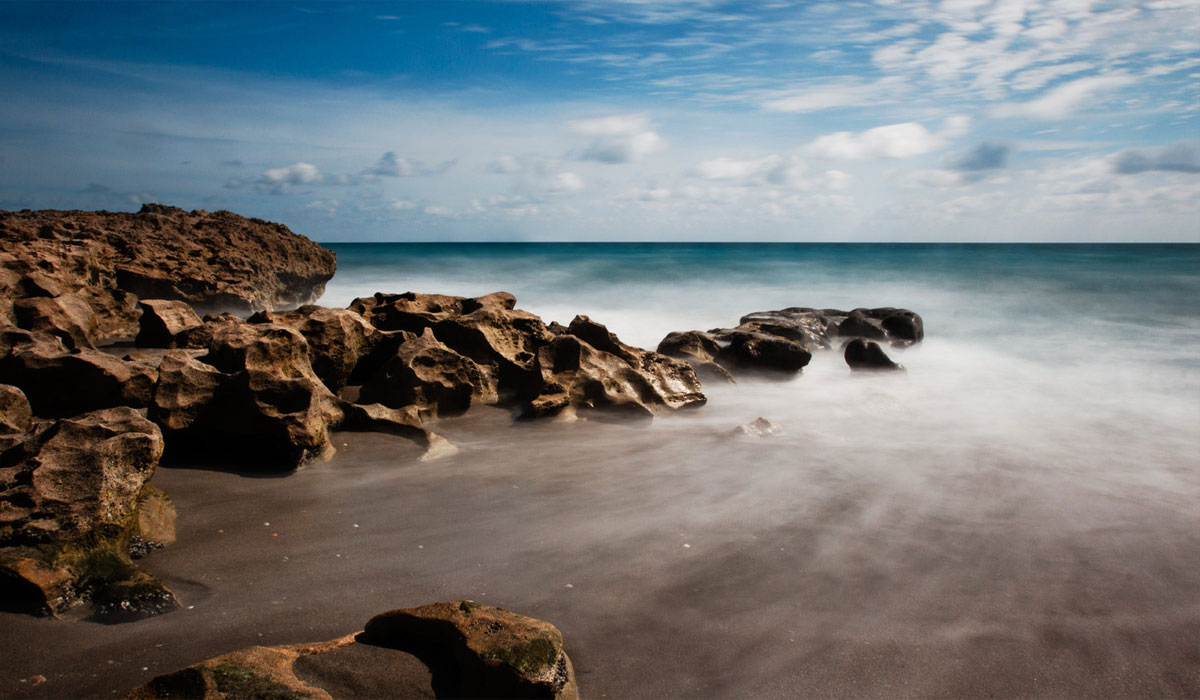
One fascinating technique in beach photography is the long exposure. By utilizing a slower shutter speed, photographers can capture the movement of waves as a soft mist or smooth the water’s surface for a dramatic effect.
This technique is suitable for photographing small waterfalls on the shore or waves crashing against coral reefs. However, using a tripod is essential to avoid camera shake. Long exposures not only provide an artistic touch but also add a magical feel to every tropical moment captured.
Attention to Detail and Texture
Captivating beach photography isn’t just about sweeping panoramas. Small details like grains of sand, shells, ripples in the water, or the shadows of coconut trees can become the main focus, adding character to a photo. Paying attention to these textures helps create more vibrant and authentic photos.
Macro or close-up techniques can be used to highlight these details, providing different perspectives of the same beach. These details often make the viewer feel as if they are there, experiencing the tropical atmosphere in real time.
Playing with Color and Contrast
Tropical beaches boast a rich natural color palette, from the blue of the sea, the green of the trees, the gold of the sand, to the orange of the sunset. Optimizing color and contrast is crucial to prevent photos from looking flat.
Using lens filters, adjusting the white balance, or making minor post-shoot adjustments can enhance the warm and captivating tropical feel. The right contrast between the clear sky, waves, and land elements adds drama, making the photo more interesting and eye-catching.
Tropical beach photography isn’t just about capturing the scenery; it’s also about weaving light, composition, movement, detail, and color into a captivating visual masterpiece.
By understanding light, creating dynamic compositions, utilizing long exposure techniques, emphasizing details, and playing with color, every moment at the beach can be captured captivatingly.
