Captivating Elegance: Eye-Catching Fashion Photography
Discover creative fashion photography techniques, styling tips, lighting ideas, and strategies for producing elegant, professional visuals.
Fashion photography is more than just capturing clothing it’s about telling a story through style, emotion, and visual harmony. Each frame has the power to communicate personality, mood, and artistic vision, making it a vital part of modern visual culture.
Below, Photography – Capturing Every Detail will explore the elements that create compelling fashion photography that can elevate your work and help you stand out in the competitive creative industry.
The Essence of Fashion Photography
Fashion photography blends art and storytelling, focusing on showcasing clothing, accessories, and personal style in visually compelling ways. It is not just about what the model wears, but how the image makes the viewer feel. Emotion and atmosphere play a crucial role in creating memorable images.
The essence of fashion photography lies in its ability to communicate a concept. Every photoshoot should have a clear theme or message, whether it is elegance, rebellion, minimalism, or luxury. This concept guides decisions related to location, lighting, and styling.
Choosing the Right Lighting Techniques
Lighting is one of the most important aspects of fashion photography. It defines texture, highlights details, and sets the mood of the image. Natural light is often used for soft and fresh looks, while studio lighting allows for more control and dramatic effects.
Different lighting setups can completely transform a photo. Soft lighting creates a smooth and flattering appearance, while hard lighting emphasizes structure and boldness. Knowing when to use each type is key to achieving the desired outcome.
Also Read: Children’s World: How to Raise Smart and Happy Children
Styling and Wardrobe Coordination
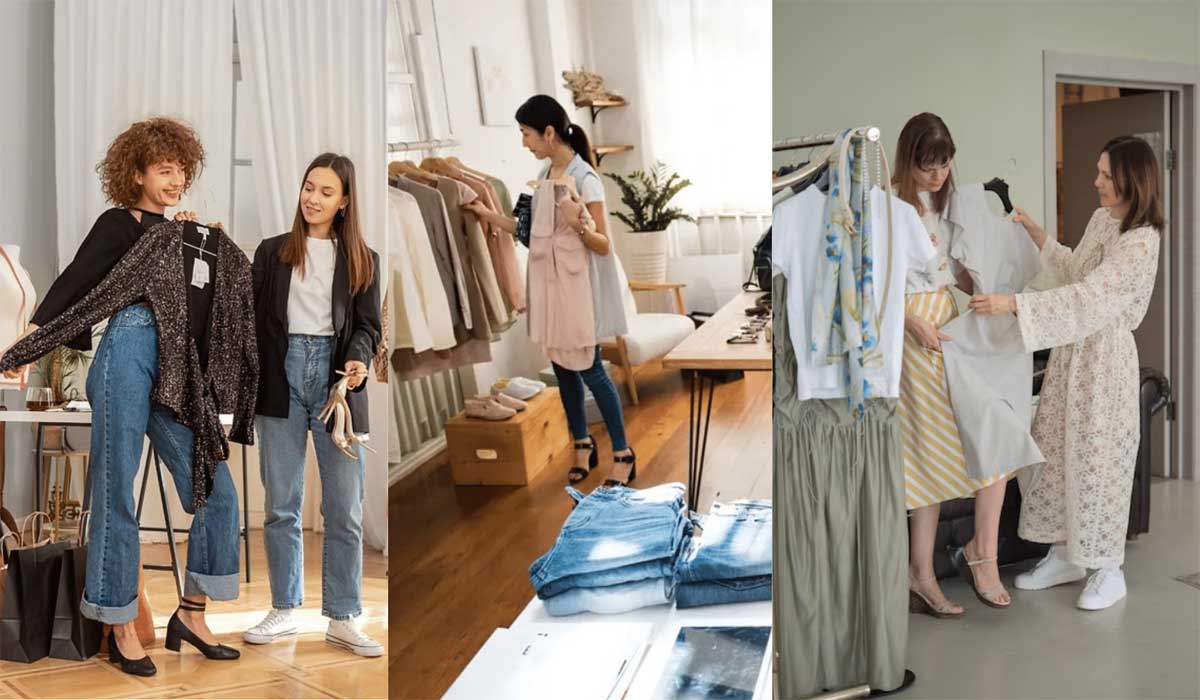
Styling is at the heart of fashion photography, as it directly influences the visual impact of the image. The choice of clothing, colors, and accessories should align with the concept of the shoot. Every detail contributes to the final look.
Coordinating wardrobe elements requires careful planning. Colors should complement each other, and textures should add interest without overwhelming the composition. A well-styled outfit enhances the model’s presence and strengthens the narrative.
Directing Models for Natural Expression
A successful fashion photograph often depends on how well the model expresses emotion and movement. Clear communication between the photographer and the model is essential to achieve natural and engaging poses.
Instead of rigid instructions, guiding the model with simple directions can help create more authentic expressions. Encouraging movement, such as walking or adjusting posture, often results in more dynamic images.
Composition and Creative Framing
Composition is the foundation of any strong photograph. It determines how elements are arranged within the frame and how the viewer’s eye moves across the image. Techniques such as the rule of thirds can help create balanced and visually pleasing results.
Creative framing adds another layer of interest to fashion photography. Using architectural elements, natural surroundings, or unique angles can make an image stand out. These elements help guide attention toward the subject while adding depth.
Conclusion
Fashion photography is a dynamic blend of creativity, technique, and storytelling. By understanding lighting, styling, composition, and model direction, photographers can create images that are both visually stunning and emotionally engaging.
The key to success lies in consistency, experimentation, and a clear artistic vision. With practice and attention to detail, anyone can develop a unique style and produce captivating fashion photography that leaves a lasting impression on viewers.
Image Source:
First Image from: www.wearview.co
Second Image from: typicallyjane.com
