Timeless Beauty in Every Detail, The Art of Black and White Photography
Black and white photography offers a timeless appeal that continues to captivate both artists and viewers worldwide.
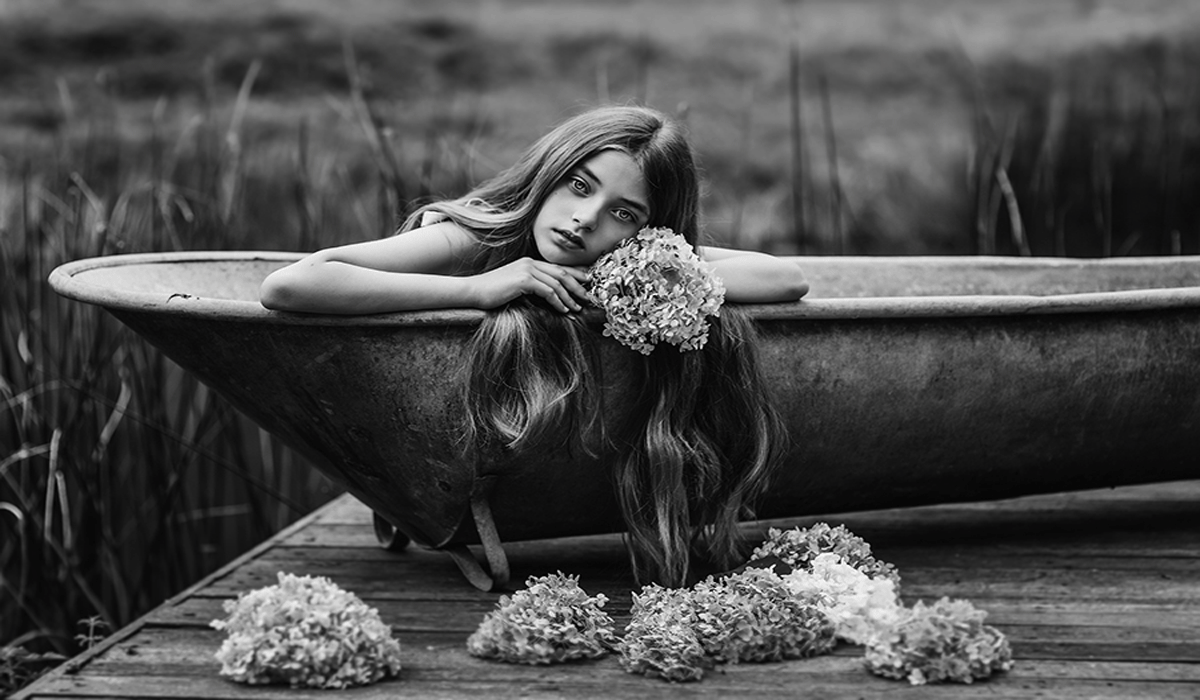
By eliminating color, this art form emphasizes form, texture, and light, revealing details often overlooked in everyday scenes. Whether capturing the emotional depth of a portrait or the intricate patterns of nature, black and white images have a unique way of telling stories and evoking powerful emotions. In this article, Photography – Capturing Every Detail we’ll explore the timeless beauty and artistry behind monochrome photography, revealing how it transforms ordinary moments into extraordinary works of art.
The Magic of Monochrome: Seeing Beyond Colors
Black and white photography has a special charm that color images often can’t match. When you remove color, the focus shifts to shapes, textures, and contrasts, revealing details that might be overlooked. This style invites viewers to see the world differently, emphasizing the raw beauty of the moment. It’s like stepping into a timeless story told through shades of gray, black, and white.
Photographers who choose monochrome often aim to evoke emotions more deeply. Without the distraction of colors, viewers can connect with the subject’s expressions, mood, and atmosphere more clearly. It’s a powerful way to tell stories, whether it’s a quiet street scene, a powerful portrait, or a delicate detail of nature. The magic lies in the simplicity that highlights the complexity of a scene.
Moreover, black and white photography encourages creativity by challenging photographers to play with light and shadow. Shadows can create mystery, while highlights can bring focus to specific details. This style proves that sometimes, less is more. It’s a timeless art form that continues to inspire photographers worldwide.
Capturing Emotions Through Shadows and Light
In black and white photography, light becomes a storyteller. The interplay of shadows and highlights shapes the entire image, adding depth and emotion. Photographers often use this contrast to emphasize the mood they want to convey. Whether it’s joy, sadness, or tranquility, light and shadow work together to evoke feelings in the viewer.
A well-lit face in black and white can reveal every wrinkle, smile line, or sparkle in the eye, telling a story of experience and personality. Similarly, shadows can hide or reveal details, creating mystery or drama in the image. The careful use of lighting transforms simple moments into powerful visual narratives.
Photographers need to understand how light interacts with their subject to make the most of this art form. They often shoot during the golden hour or use natural light to create dramatic effects. By controlling light and shadow, they can highlight the smallest details, like the texture of a leaf or the expression on a person’s face, that make the photo memorable and meaningful.
Read Also: Creative Beach Photography Ideas To Capture Stunning Coastal Moments
The Power of Texture and Detail
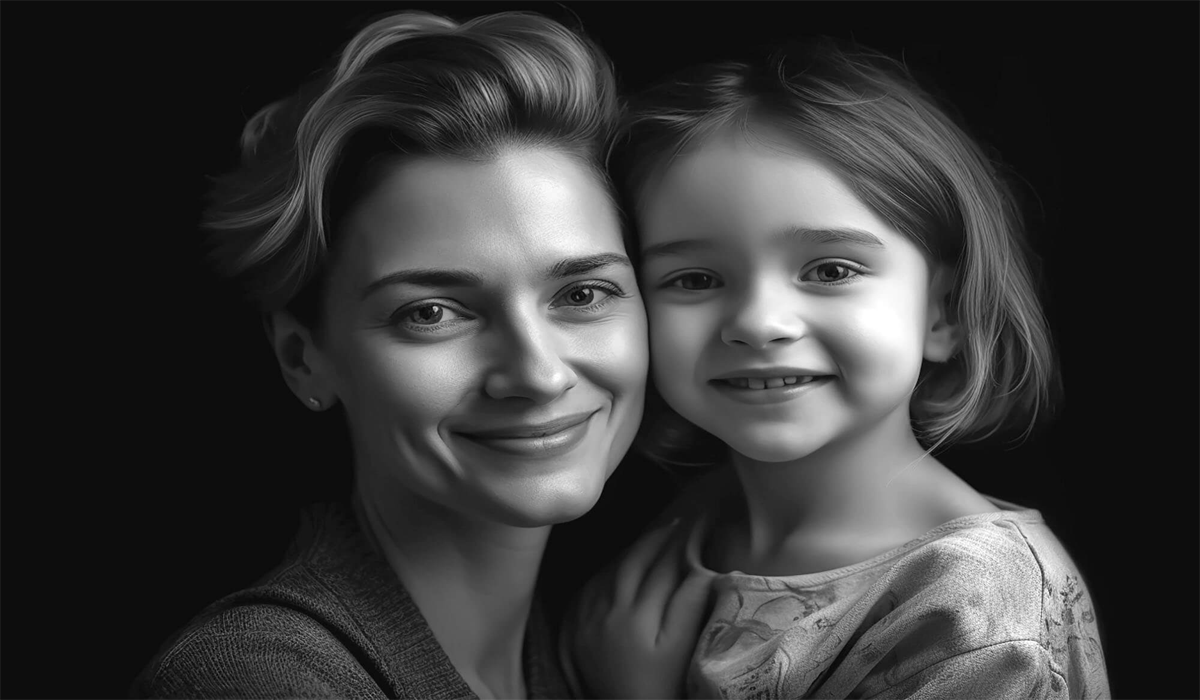
One of the greatest strengths of black and white photography is its ability to showcase textures and fine details. When colors are removed, the viewer’s attention is naturally drawn to patterns, textures, and intricate details that might otherwise be ignored. This creates a richer, more immersive experience.
Photographers often focus on close-up shots to emphasize these details, such as the lines on a weathered face or the rough surface of bark. Every tiny detail adds layers of storytelling, making the image more compelling. The absence of color means viewers are encouraged to appreciate the craftsmanship involved in capturing these textures.
This style is especially popular for capturing historical or vintage scenes, where imperfections and textures tell stories of the past. It’s also used in fine art photography, where the emphasis on details brings out the beauty of everyday objects or natural elements. Fine textures and details can turn an ordinary scene into an extraordinary piece of art.
Classic and Modern: The Enduring Appeal
Black and white photography has a long history, dating back to the early days of cameras. Despite the rise of color photography, it remains popular among artists for its classic appeal. Many renowned photographers have used monochrome to create timeless images that continue to inspire generations.
Today, modern photographers combine traditional techniques with digital tools to push the boundaries of black and white art. They experiment with different contrasts, compositions, and editing styles to create fresh, innovative images. The enduring appeal lies in its versatility, able to evoke nostalgia or modern elegance.
Whether it’s capturing a vintage car or a sleek modern portrait, black and white photography adapts to any subject. Its simplicity allows the viewer to focus on what truly matters, emotion, texture, and story. This balance of old and new makes it an essential style in the world of photography.
Tips for Creating Stunning Black and White Photos
Getting great black and white photos requires more than just removing color. It’s about understanding how to use light, shadow, and composition effectively. First, look for scenes with strong contrasts, interesting textures, and compelling subjects. These elements will make your images more striking.
Next, pay attention to lighting. Natural light during sunrise or sunset creates beautiful shadows and highlights. Experiment with different angles to find the best way to emphasize textures and details. Don’t be afraid to shoot in black and white mode if your camera offers it, or convert images later using editing software.
Finally, focus on composition. Use lines, shapes, and framing to guide the viewer’s eye and highlight the details you want to showcase. Practice patience and observe your surroundings carefully. With these tips, anyone can create powerful black and white images that stand the test of time. Enjoy the beauty of Black And White Photography and find new inspiration. Good luck!
Image Information Source:
First Image from: monoawards.com
Second Image from: xphotography.ca
