
Tides of Wonder: The Art of Mesmerizing Seaside Photography
PlanTides of Wonder reveals seaside photography as an art of timing, light, and emotion, turning ocean moments into captivating visual stories.
Below, TEACHING will provide some explanations regarding Reinventing Learning Systems for an Innovation-Driven Future.
The Allure of the Ever-Changing Ocean
The seaside has long captivated the human imagination, offering a dynamic landscape that shifts with every passing moment. From the soft glow of sunrise reflecting on gentle waves to the dramatic intensity of storm clouds rolling over the horizon, coastal environments provide endless inspiration for photographers.
Beyond its visual beauty, the ocean evokes deep emotional responses. The vastness of the sea can symbolize freedom, mystery, or even solitude, depending on how it is framed. Skilled photographers understand how to harness these emotional elements, transforming simple coastal scenes into powerful visual stories. By carefully observing the interplay between water, sky, and shoreline, photographers can create images that resonate on both an aesthetic and emotional level, making seaside photography an art form that goes far beyond mere documentation.
Mastering Light and Timing for Coastal Shots
Lighting plays a critical role in seaside photography, often determining whether a photo feels ordinary or extraordinary. The golden hours shortly after sunrise and before sunset are particularly prized for their warm, soft light that enhances textures and colors. During these times, shadows are longer, and the light casts a gentle glow over the scene, making it ideal for capturing the subtle details of sand patterns, waves, and coastal vegetation.
Timing is equally essential, especially when dealing with tides and weather conditions. A location that appears calm and serene at low tide can transform into a dramatic, wave-crashing spectacle at high tide. Photographers often study tide charts and weather forecasts to plan their shoots effectively.
Read Also:
Composition Techniques that Elevate Seaside Imagery
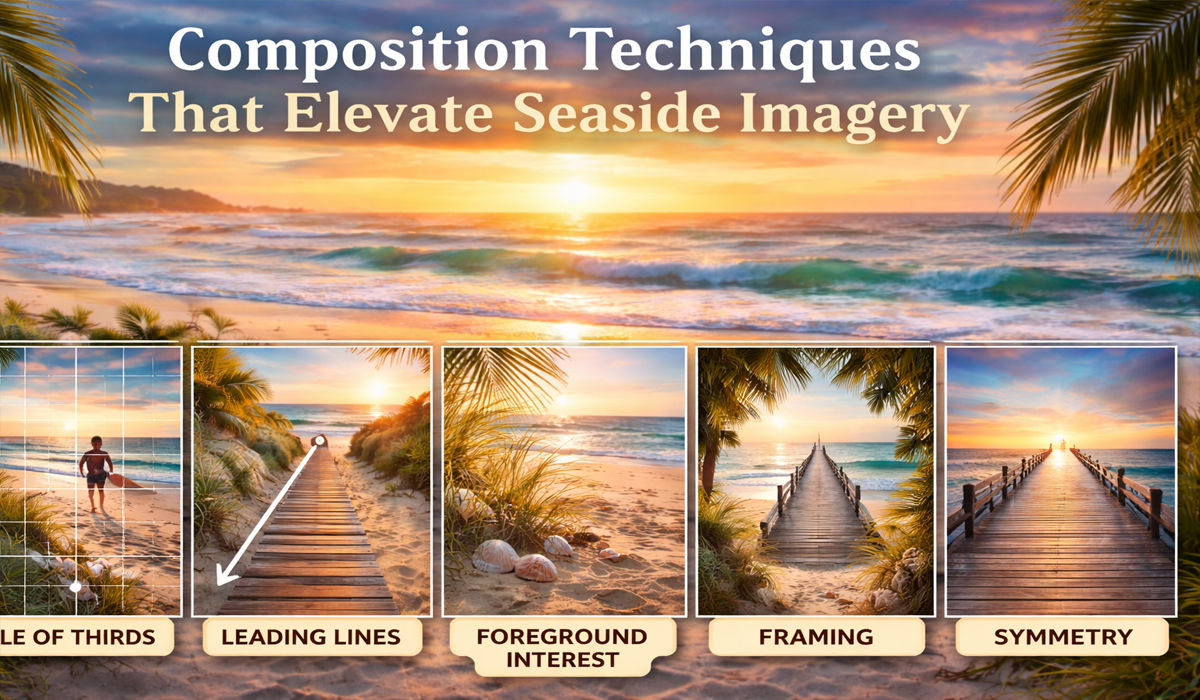
Strong composition is the backbone of any striking photograph, and seaside settings offer numerous opportunities to experiment with creative framing. Leading lines, such as the curve of the shoreline or the direction of receding waves, can guide the viewer’s eye through the image. Incorporating foreground elements like rocks, shells, or driftwood adds depth and dimension, making the photograph more engaging and immersive.
Another important aspect is the use of perspective and scale. Including a human subject, a lighthouse, or a distant boat can provide context and emphasize the vastness of the ocean. Photographers also play with symmetry and reflections, particularly in calm waters, to create balanced and harmonious images.
The Emotional and Artistic Impact of Seaside Photography
Seaside photography is not just about capturing a location; it is about conveying a feeling. The sound of crashing waves, the scent of salt in the air, and the sensation of wind on the skin all of these intangible experiences can be suggested through a well-composed image. Photographers strive to translate these sensory elements into visual form, creating pictures that evoke a sense of presence and immersion.
Artistically, the seaside offers endless opportunities for experimentation and personal expression. Whether through long-exposure techniques that create silky, dreamlike water effects or high-contrast shots that emphasize the raw power of the ocean, photographers can develop a distinctive style that reflects their vision.
For the latest and most interesting related information, you can also click the TEACHING link.
Image Source:
First Image from lyssandhercamera.com
Second Image from www.andrewshoemaker.com
