The Art of Contrast: Mastering Black and White Photography
Black and white photography is a timeless art form that continues to captivate photographers and viewers alike.
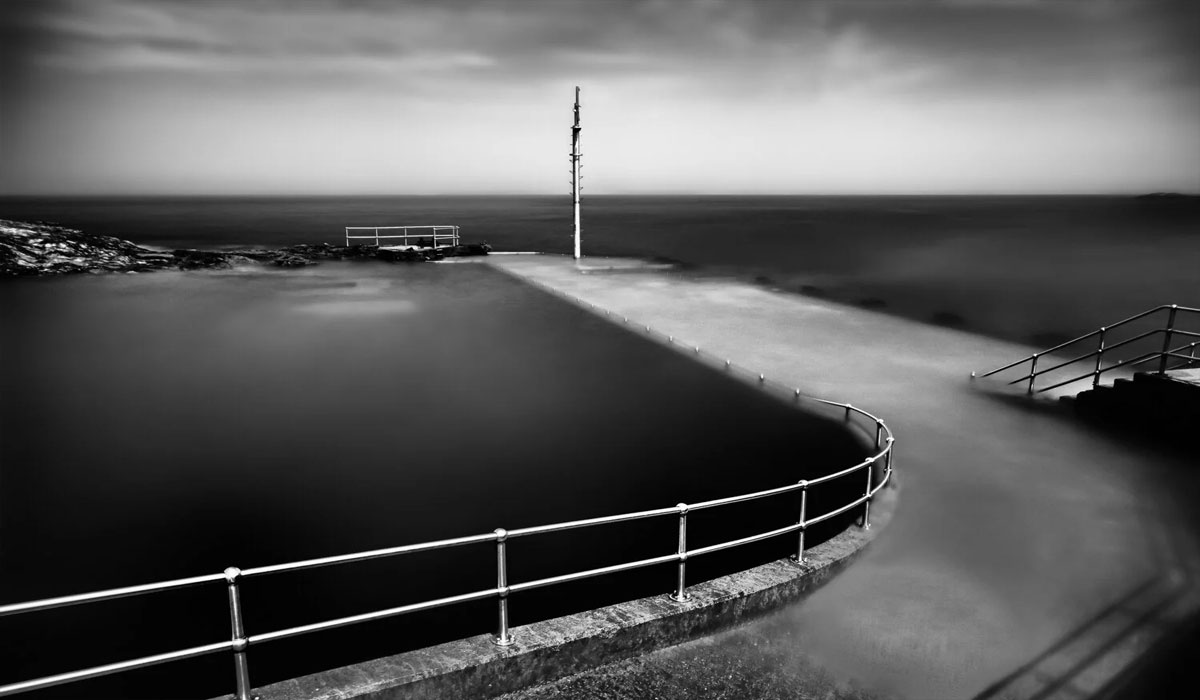
Without the distraction of color, images rely on contrast, texture, light, and composition to tell a powerful visual story.
This Photography article will explore how black and white photography works from a creative and technical perspective, helping you understand how to use contrast effectively and elevate your photography skills.
Understanding The Essence
Black and white photography strips an image down to its core elements. Without color, the focus shifts entirely to light, shadow, and structure, allowing photographers to highlight emotion and depth more clearly.
This simplicity is what makes black and white photography so powerful. It forces both the photographer and the viewer to engage more deeply with the subject and its composition.
The Role Of Light And Shadow
Light is the foundation of any photograph, but it becomes even more critical in black and white. Strong lighting can create dramatic highlights and deep shadows that define the subject.
Shadows, on the other hand, add mystery and dimension. The balance between light and dark areas is what creates visual interest and brings an image to life.
Read Also: Healthy Nutrition for Babies and Growing Children
Using Contrast To Create Impact
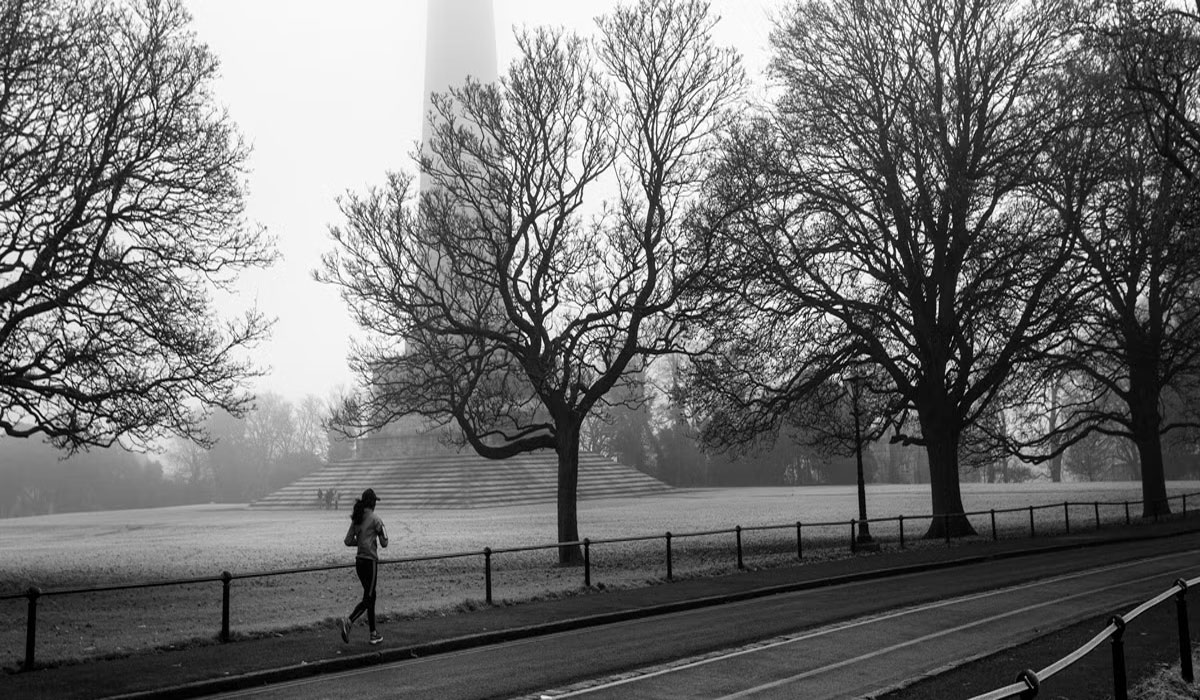
Contrast is one of the most important elements in black and white photography. High contrast images feature bold differences between light and dark, making subjects stand out clearly.
Low contrast images, however, can create a softer and more subtle mood. Understanding when to use each type allows photographers to control the emotional tone of their images.
Composition And Framing Techniques
Without color to guide the eye, composition becomes even more important. Elements such as leading lines, symmetry, and framing help direct attention to the subject.
Careful composition ensures that every part of the image serves a purpose. This clarity helps create strong and visually engaging photographs.
Texture And Detail In Monochrome Images
Black and white photography excels at capturing texture. Surfaces like wood, metal, fabric, and skin appear more detailed and tactile when color is removed.
Focusing on texture adds depth and realism to an image. It allows viewers to almost “feel” the photograph through visual cues alone.
Emotional Storytelling Through Simplicity
Removing color often enhances the emotional impact of a photograph. Black and white images can feel more dramatic, nostalgic, or timeless.
This simplicity allows the story behind the image to stand out. Viewers are more likely to focus on expressions, gestures, and atmosphere.
Editing And Post-Processing Techniques
Post-processing plays a key role in black and white photography. Adjusting contrast, brightness, and sharpness can dramatically change the final image.
Careful editing helps bring out details that may not be visible in the original shot. It also allows photographers to refine their artistic vision.
Conclusion
Mastering black and white photography requires an understanding of light, contrast, and composition. By focusing on these elements, photographers can create powerful images that go beyond color.
With practice and creativity, black and white photography becomes a unique way to tell stories, capture emotion, and highlight the beauty of simplicity. Stay tuned and enjoy our daily aesthetic photography tips only Photography – Capturing Every Detail.
Image Information Source:
First Image from: www.alanranger.com
Second Image from: www.howtogeek.com
