Photographing Tropical Beaches with Maximum Results
Professional tips for photographing tropical beaches to achieve maximum results include the right camera settings, angles, and timing.
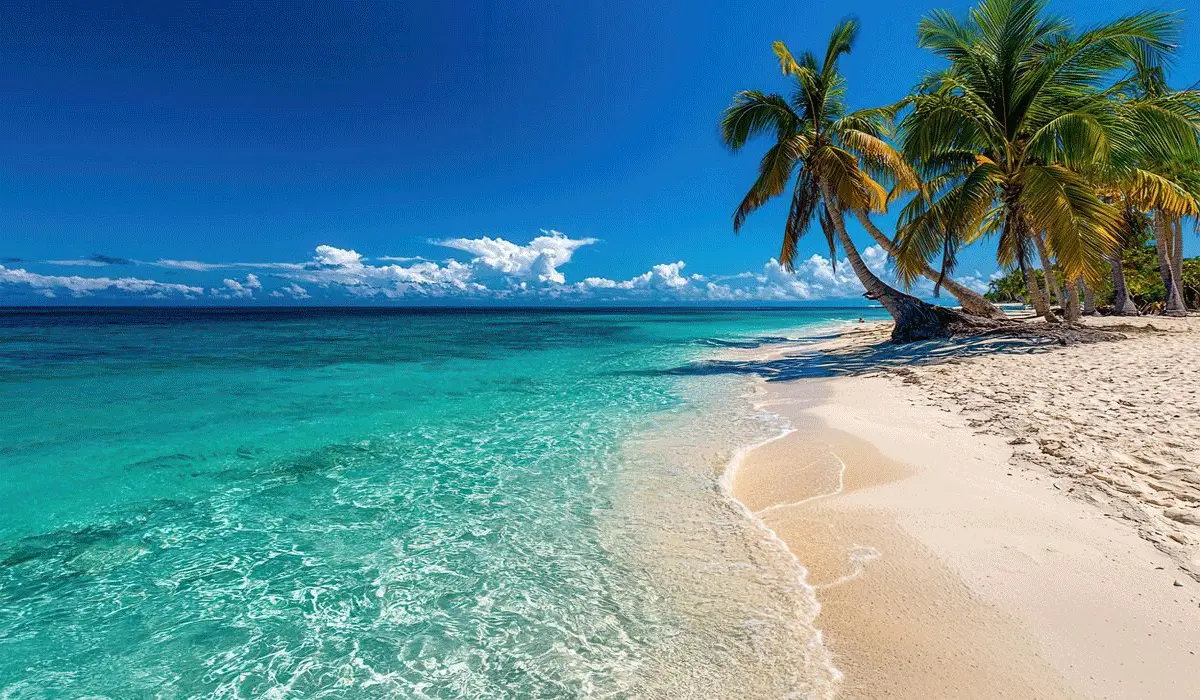
Tropical beaches always offer unmatched beauty, from the gradations of sky colors, the crystal clear water, to the soft texture of the sand. However, to capture this beauty to its full potential, proper photography techniques are required. By Photography – Capturing Every Detail understanding lighting, composition, and camera settings below, every moment at the beach can become a stunning visual masterpiece.
Basic Composition Techniques in Beach Photography
Composition is the foundation for creating compelling beach photos. One of the most commonly used techniques is the rule of thirds, which divides the frame into thirds so that the main subject isn’t always in the center. This technique helps create a more dynamic visual balance.
Furthermore, natural lines such as the shoreline, waves, or footprints in the sand can be used as leading lines. These elements direct the viewer’s eye toward the main subject, making the photo feel more vibrant and purposeful. Good composition will make a simple photo appear much more interesting.
Finally, it’s important to pay attention to the foreground, middle ground, and background elements. Adding rocks, coconut trees, or small boats to the front of the frame can add depth to a photo. This will make your beach photos look more professional and less flat.
Utilizing Natural Light and the Golden Hour
Light is the most important element in beach photography. The best time to photograph is during the golden hour, which is when the sun is just rising or just before sunset. At this time, the light has a warm hue, making the beach atmosphere appear more dramatic and soft.
Besides the golden hour, the blue hour also produces interesting results. The soft blue light in the sky creates a calm and mysterious atmosphere, perfect for silhouette photos or minimalist landscapes. The choice of time of day significantly influences the mood of the resulting photo.
However, during the day, the light tends to be harsh. To overcome this, photographers can use reflectors or look for natural shadows such as trees or large rocks. With the right settings, daylight can still produce sharp and clear beach photos.
Also Read: Timeless Beauty in Every Detail, The Art of Black and White Photography
The Right Camera Settings on Tropical Beaches
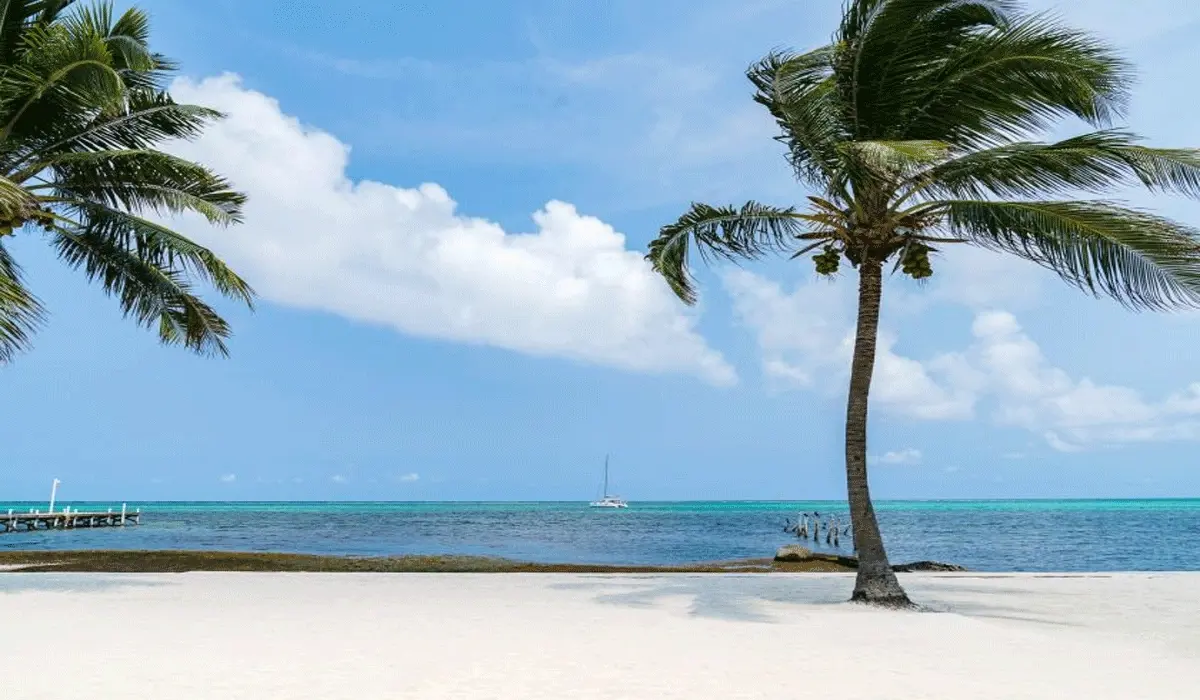
Beach photography requires camera settings that suit the lighting conditions and environment. Use a small aperture (f/8 to f/16) to achieve greater depth of field, so that all elements of the beach appear in focus and clear.
It’s best to keep the ISO as low as possible, such as ISO 100 or 200, to avoid noise in the image. A well-lit beach typically doesn’t require a high ISO, except in low-light conditions like dusk or nighttime.
Shutter speed also plays a crucial role, especially if you want to capture the movement of the waves. A slow shutter speed can create a silky smooth water effect, while a fast shutter speed can freeze the splash of the waves in detail and drama.
Creativity and Storytelling in Beach Photography
Beach photography isn’t just about visual beauty, but also about the story you want to tell. Adding human elements, such as people walking along the shore or playing in the water, can bring life to the photo.
Experimenting with shooting angles is also crucial. A low angle can make an object appear more dramatic, while a high angle provides a broad perspective of the beach’s overall beauty. Creativity in perspective will make the resulting photo more unique.
Furthermore, playing with natural elements like clouds, birds, or boats can strengthen the story in the photo. Each of these elements can become part of the visual narrative, making the beach photo more meaningful and not just aesthetically pleasing.
Composition Techniques for Professional Beach Photos
Composition in beach photography plays a crucial role in determining the visual quality of an image. One of the most frequently used techniques is the rule of thirds, which divides the frame into nine equal parts. By placing the main subject at the intersection of the lines, the photo will appear more balanced and interesting than placing it directly in the center. Thank you for taking the time to explore this interesting information about professional tips for photographing tropical beaches in Photography – Capturing Every Detail, We’ll provide much more information soon.
Image Information Source:
First Image: vecteezy.com
Second Image: theclickcommunity.com
