Early Steps in Infant and Child Growth and Development
Understanding the early stages of growth of babies and children, including physical, mental, emotional and social aspects from birth.
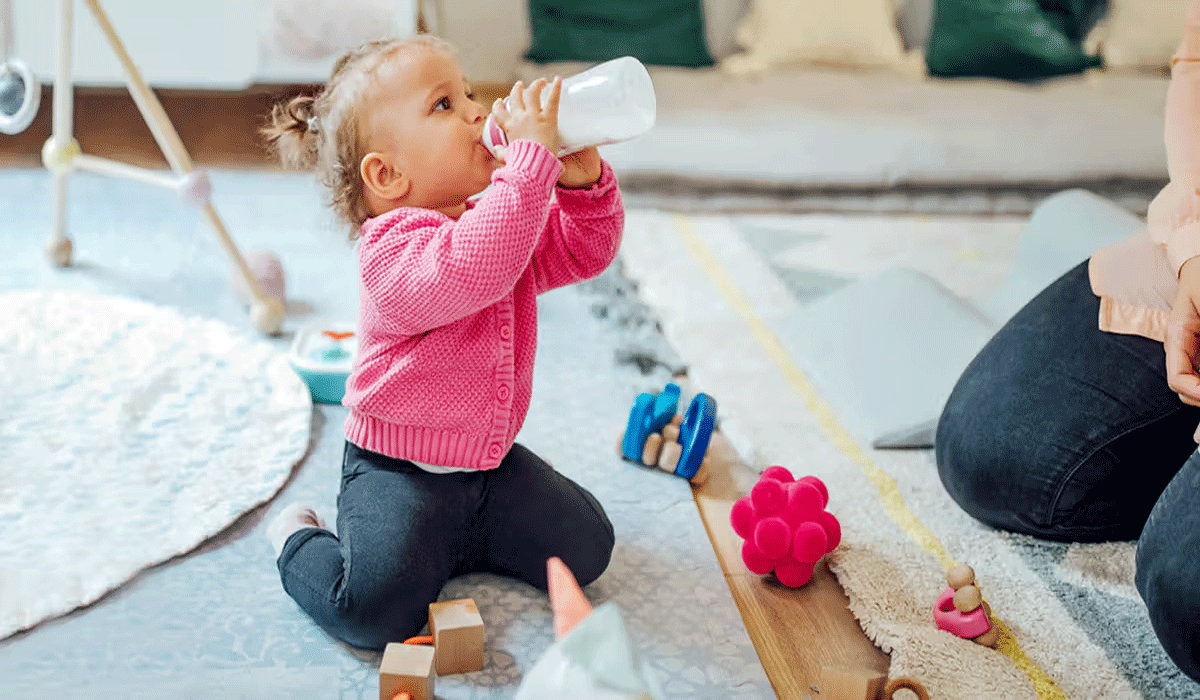
The early years of a child’s life are critical for physical, cognitive, emotional, and social development. From infancy to early childhood, rapid growth and numerous milestones shape a child’s future health, learning capacity, and social abilities. Understanding these early steps in growth and development can help parents, caregivers, and educators provide the right support to nurture a child’s full potential.
Physical Growth and Milestones
Physical growth is one of the most noticeable aspects of infant and child development. During the first year, infants experience rapid weight gain and length increase. By the end of the first year, most infants triple their birth weight and grow significantly in height. Fine and gross motor skills also develop during this period.
Fine motor skills, such as grasping objects, holding a bottle, or picking up small items, improve as hand-eye coordination strengthens. Gross motor skills, including rolling over, crawling, standing, and walking, emerge progressively. Toddlers continue to refine these motor skills, gaining balance, agility, and control over movements. Monitoring physical growth and motor milestones ensures that children are developing healthily and helps detect any potential delays early.
Cognitive Development and Learning
Cognitive development encompasses a child’s ability to think, learn, and understand the world around them. In infancy, cognitive growth begins with sensory exploration looking, touching, listening, and tasting. Babies learn to recognize familiar faces, respond to sounds, and develop memory skills through repeated experiences. As children move into early childhood, their cognitive abilities expand rapidly.
Language acquisition becomes a major milestone, enabling children to communicate needs, thoughts, and emotions. Problem-solving skills, curiosity, and imaginative play further stimulate cognitive development. Encouraging exploration, reading to children, and providing age-appropriate learning experiences support the growth of thinking, reasoning, and understanding during these critical years.
Also Read: Creating a Comfortable Atmosphere is the Key to Perfect Baby Photography
Emotional and Social Development
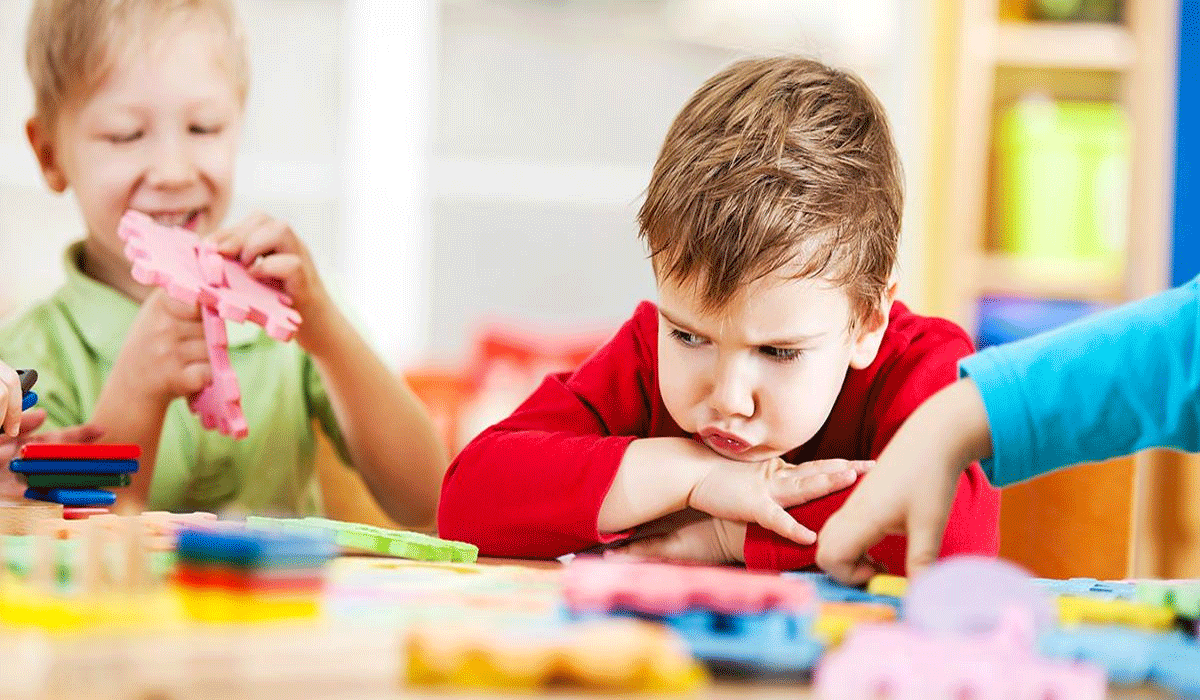
Emotional and social development is essential for forming secure attachments, self-regulation, and healthy relationships. Infants begin by forming strong bonds with their caregivers, which provide a sense of security and trust. Responding consistently to a baby’s needs fosters emotional stability. Toddlers gradually become aware of their emotions and start recognizing feelings in others.
Social skills develop as children interact with family members, peers, and caregivers. Sharing, taking turns, expressing empathy, and managing frustration are foundational abilities that emerge during early childhood. Encouraging positive interactions, modeling healthy emotional responses, and providing nurturing environments help children develop confidence, resilience, and social competence.
The Role of Nutrition and Health
Nutrition and overall health play a vital role in supporting early growth and development. Adequate intake of essential nutrients, including proteins, vitamins, minerals, and healthy fats, is necessary for physical growth, brain development, and immune system function.
Breastfeeding, when possible, offers critical antibodies and nutrients during infancy. As children transition to solid foods, a balanced diet that includes fruits, vegetables, grains, and proteins promotes optimal development. Regular health check-ups, vaccinations, and preventive care help identify potential health issues early, ensuring children remain on track with growth milestones. Proper nutrition and medical care lay the foundation for a strong and healthy start in life.
The early steps in infant and child growth and development form the foundation for lifelong health, learning, and social skills. Physical milestones, cognitive abilities, emotional understanding, social competence, and proper nutrition collectively shape a child’s overall development. Parents, caregivers, and educators play a crucial role in providing supportive environments that encourage exploration, learning, and emotional security.
