Shaping Future Success Through Early Childhood Education
Early childhood education plays a crucial role in forming the foundation of a child’s future success.
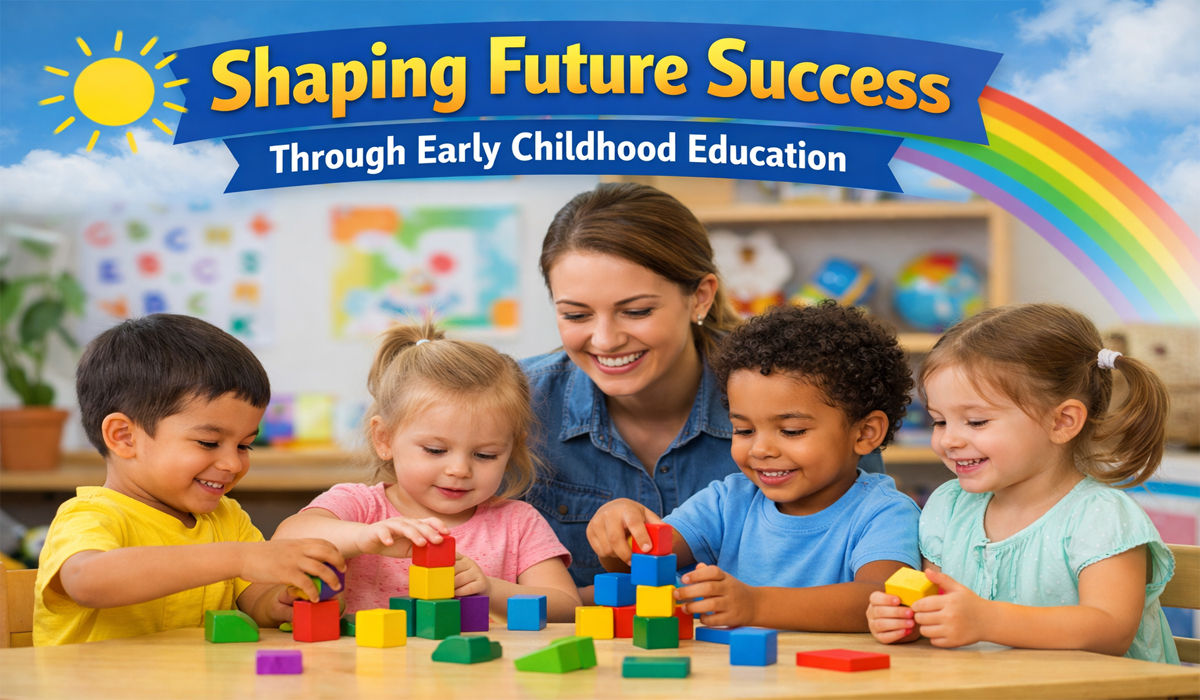
During the early years of life, children develop cognitive, social, emotional, and physical skills at a rapid pace. Providing structured learning experiences at this stage helps stimulate curiosity and encourages positive brain development. When children receive proper guidance and support early on, they build confidence and a strong readiness for future academic challenges.
In addition to academic growth, early education also introduces children to essential life skills. They learn how to interact with peers, follow instructions, and express their thoughts and feelings effectively. These experiences contribute to character building and social awareness. By creating a supportive and engaging learning environment, parents and educators can ensure that children develop a strong foundation for lifelong learning.
Below, Babies & Children will provide some explanations regarding Reinventing Learning Systems for an Innovation-Driven Future.
Key Learning Areas In Early Childhood Development
Early childhood education focuses on several key learning areas that support overall development. Language skills, basic numeracy, creativity, and problem-solving are introduced through interactive activities. Storytelling, singing, drawing, and group play are common methods used to make learning enjoyable while maintaining educational value. These activities stimulate brain activity and enhance children’s ability to understand new concepts.
Physical development is also an important component of early learning. Activities such as outdoor play, movement exercises, and simple coordination tasks help strengthen motor skills and improve health. Emotional development is nurtured through positive reinforcement and supportive communication. When children feel safe and valued, they are more motivated to explore, ask questions, and participate actively in learning activities.
The Role Of Parents And Educators
Parents and educators both play significant roles in shaping a child’s educational journey. At home, parents can create learning opportunities through daily conversations, reading books together, and encouraging curiosity. Simple activities like counting objects or identifying colors in everyday life can reinforce classroom lessons. Consistent involvement from parents strengthens a child’s understanding and enthusiasm for learning.
Educators, on the other hand, provide structured guidance and professional support. Teachers design learning programs that match children’s developmental stages and individual needs. They observe progress, identify strengths, and address challenges early. Collaboration between parents and teachers ensures that children receive balanced support, helping them grow academically and socially in a positive environment.
Also Read: Lens of Love: Capturing the Details of Babies and Children’s Lives
Long-Term Benefits For Future Success
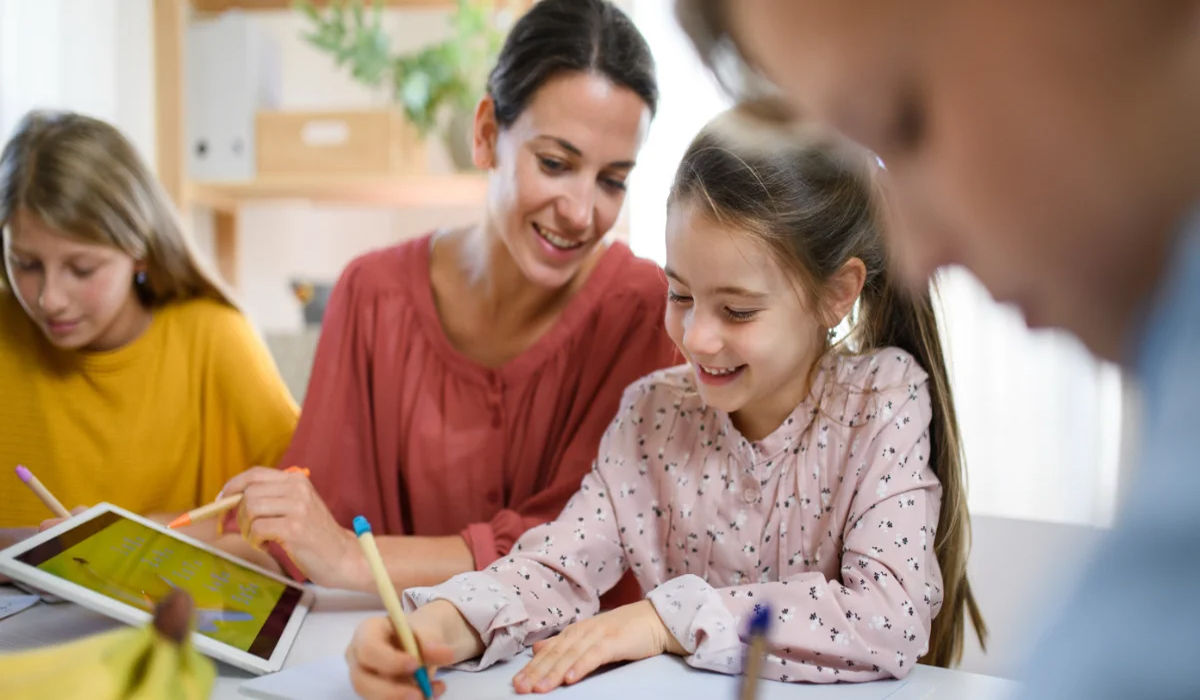
Investing in early childhood education brings long-term benefits that extend into adulthood. Children who experience quality early learning are more likely to perform better academically in later school years. They develop strong critical thinking skills, communication abilities, and adaptability, which are essential in an ever-changing world. Early preparation increases their confidence when facing new opportunities and challenges.
Beyond academic achievements, early education also contributes to better career prospects and social relationships in the future. Individuals who build strong foundations during childhood often demonstrate leadership qualities, teamwork skills, and emotional intelligence. These attributes support personal growth and professional success, proving that early childhood education is a powerful investment in future generations.
Conclusion
Early childhood education is a vital step in shaping future success because it establishes the foundation for lifelong learning and personal development. Through structured guidance, engaging activities, and supportive relationships, children gain essential skills that prepare them for academic and social challenges. Strong collaboration between parents and educators further enhances the learning experience and ensures balanced growth.
In the long term, quality early education creates confident, capable, and adaptable individuals who are ready to contribute positively to society. By prioritizing early learning opportunities, communities invest in sustainable development and brighter futures for children. Supporting early childhood education today means building stronger generations for tomorrow.
For the latest and most interesting related information, you can also click the TEACHING link.
Image Source:
First Image from jinspire.com
Second Image from demmelearning.com
