Aesthetics in Every Pose: Model Photography Inspiration
Discover inspiring model photography techniques, and creative concepts to enhance your stunning professional image results.
Model photography is more than just capturing a person in front of a camera it is about telling a story through posture, expression, and visual composition. Every pose carries emotion, intention, and artistic value that can transform a simple photograph into a powerful piece of art.
Here Photography – Capturing Every Detail will tell you, whether you are a beginner or an experienced photographer, understanding how to display aesthetics in each pose can improve your work and create images that are very memorable for the audience.
Understanding the Art of Posing
Posing is the foundation of model photography and plays a critical role in shaping the overall image. A well-executed pose can highlight the model’s strengths, convey emotion, and align perfectly with the intended concept. It is not just about standing still but about creating flow and movement within the frame.
Photographers should guide models with clear direction while allowing room for natural expression. Small adjustments such as hand placement, posture alignment, or head tilt—can significantly impact the final result. The key is to create poses that feel authentic rather than forced.
Mastering Lighting for Visual Impact
Lighting is one of the most powerful tools in photography, capable of transforming the mood and depth of an image. In model photography, lighting can enhance facial features, create dramatic shadows, or produce soft, flattering tones.
Natural light is often preferred for its softness and versatility, especially during golden hour. However, studio lighting provides more control and consistency, allowing photographers to experiment with different setups such as key light, fill light, and backlight. Understanding how light interacts with the model’s pose is essential.
Also Read: Tides of Wonder: The Art of Mesmerizing Seaside Photography
Creating a Strong Visual Concept
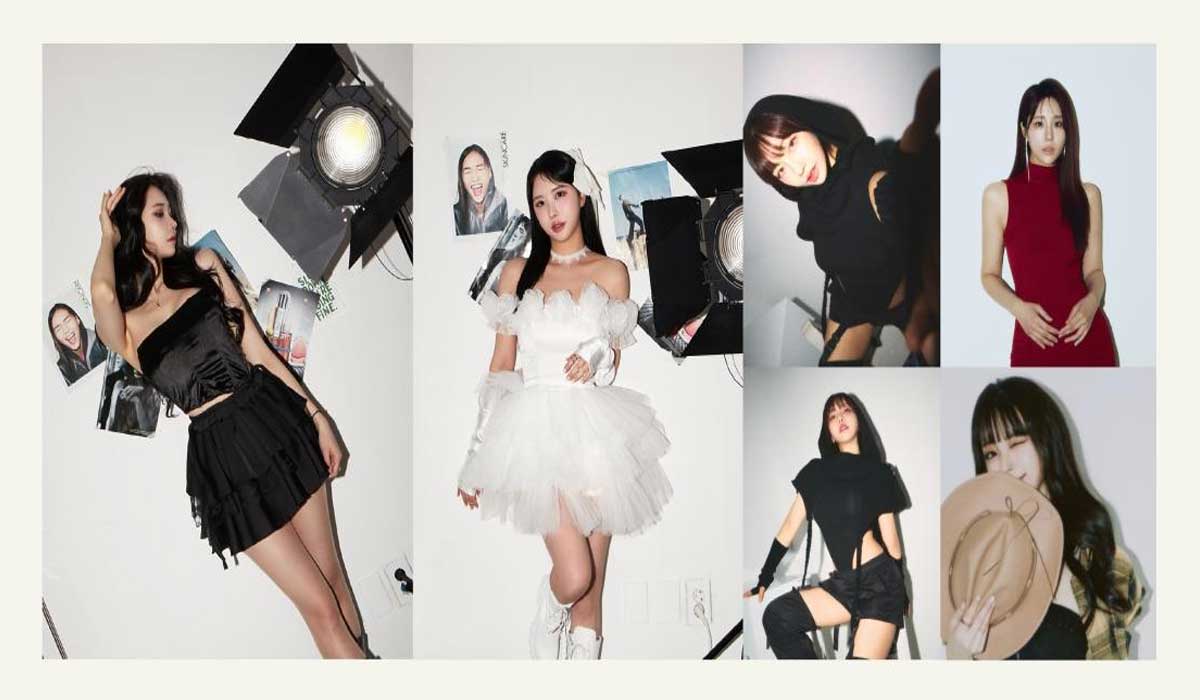
A successful model photograph often begins with a clear concept. This includes the theme, mood, wardrobe, and location, all working together to create a cohesive visual story. Without a strong concept, even technically perfect photos may lack emotional impact.
Mood boards are a helpful tool for organizing ideas and communicating vision with the team. They provide a reference point for styling, color palettes, and posing direction. This preparation ensures that everyone involved is aligned with the creative goal. Consistency in concept also strengthens the overall aesthetic.
Building Connection with the Model
A strong connection between photographer and model is essential for capturing natural and expressive poses. When models feel comfortable and understood, they are more likely to express genuine emotions that translate beautifully on camera.
Communication plays a key role in building this connection. Giving positive feedback, clear instructions, and encouragement helps create a relaxed atmosphere during the shoot. This allows the model to explore different poses without hesitation.
Photo Quality Through Composition and Editing
Composition is the backbone of any visually appealing photograph. Elements such as framing, balance, and perspective all contribute to how the viewer experiences the image. In model photography, composition should complement the pose rather than distract from it.
Using techniques like the rule of thirds, leading lines, and negative space can add depth and interest to the image. These elements help guide the viewer’s eye and emphasize the subject effectively. Post-processing is the final step in refining the image. Editing should enhance the natural beauty of the photograph without overdoing it.
Conclusion
Aesthetics in model photography come from a harmonious blend of posing, lighting, concept, connection, and composition. Each element plays a vital role in creating images that are not only visually appealing but also emotionally engaging.
By understanding and applying these principles, photographers can transform ordinary shots into extraordinary works of art. With continuous practice and creativity, every pose becomes an opportunity to capture beauty in its most expressive form.
Image Source:
First Image from: www.wallpics.com
Second Image from: www.kkday.com
